 Quality instead of quantity!
 9,500 independent products
 No mainstream
 No mainstream here




What is beer and how is it made?

For most people, beer is not just a drink, but expresses an attitude to life. Every German drinks 102 liters per year, not just one, but numerous variations. Beer comes in both alcoholic and non-alcoholic varieties. It tastes good in summer and winter. Come with us into the beer cosmos and find out all about the production and varieties of the "hop cold brew".
Here you will find a large selection of craft beers: Craft Beer
Beer - more than just an alcoholic beverage
Beer has existed for as long as humans have existed. The Babylonians and Sumerians in ancient Mesopotamia and the ancient Egyptians were already brewing the barley juice. The Romans referred to beer as the "drink of the barbarians", by which they meant the Germanic tribes. No wonder Germany is still considered the land of beer today. Tradition obliges. Hops, barley malt, water and yeast - that's all a German beer is allowed to contain. This is regulated by the Purity Law of April 23, 1516, which still applies today and is therefore the oldest food law regulation in the world. Background to the Purity Law: Throughout the Middle Ages and early modern times, people panned spices, some of which were hazardous to health.
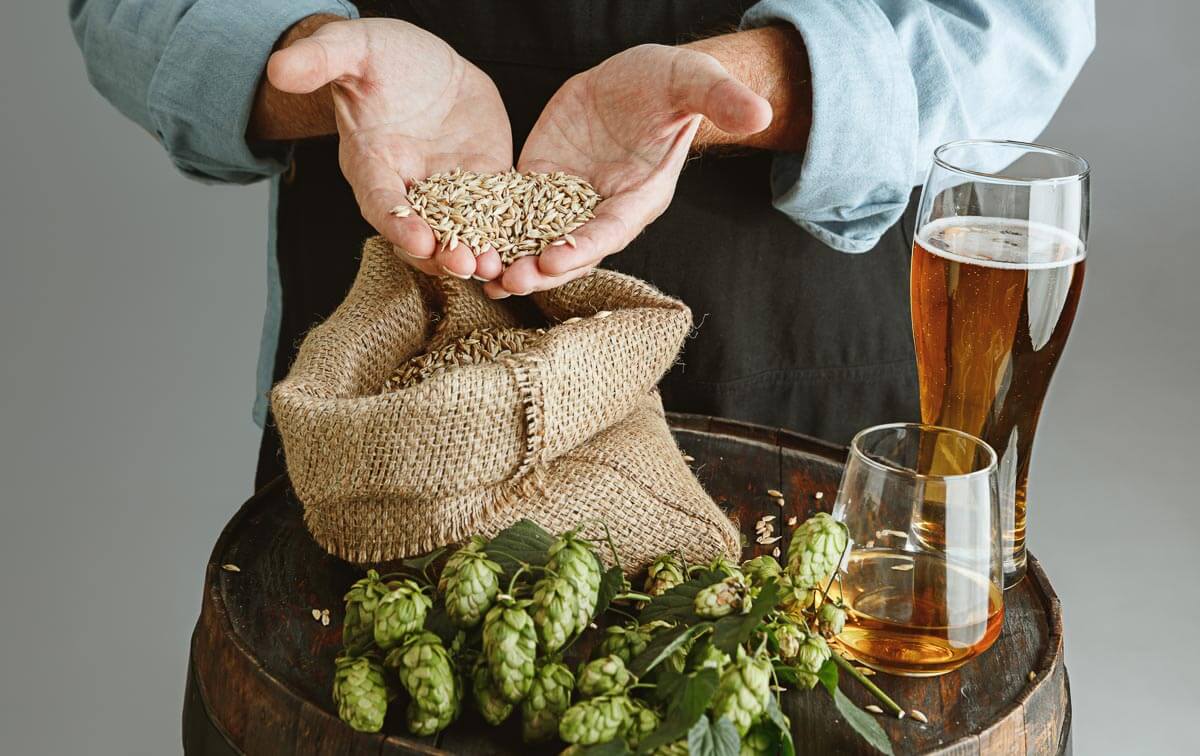
Hops, malt, yeast and water form the basis of all beers
Since 1987, in accordance with an EU decision, drinks that do not comply with the Beer Act and the Beer Ordinance, which date back to the historic Purity Law, may also be sold as beer in Germany. The only requirement is that the labeling obligation must be complied with. For you, this means a wide range of possibilities from the good old hop cold brew in the best German brewing tradition to new, experimental fruit beers.
How beer is made
The path from malt to beer is relatively long. Malt is first extracted from barley and stored in a malt silo. It is then ground into a fine grist and mixed with water in a mash tun. The mash is heated to various temperatures. This releases enzymes that convert starch into malt sugar. In the lauter tun, the liquid is separated from the leftovers, the result is called wort. This goes into the wort kettle, where hops are added. The more hops, the more bitter the beer.
One hour later, the brew is boiled in a whirlpool to remove the remaining cloudy substances. It is then cooled in the wort cooler and yeast is added. Now it's time to get down to business in the fermentation tank and malt sugar is converted into alcohol and carbon dioxide. The green beer is now ready. Depending on the variety, it is "matured" in storage tanks for up to three months. The alcohol content and carbon dioxide increase. Bright beers are filtered again before the fine barley juice is filled into bottles, cans or kegs. Modern bottling plants can fill up to 70,000 bottles per hour.
The different types of beer
Four ingredients make an incredible variety of beer. It sounds like witchcraft, but it's not. The right type of malt must be used to shape the character of the beer. Everything is possible, from barley and wheat to spelt and rye. The higher and more humid the temperature during drying, the darker the drink will be. The water used also influences the taste. The alcohol content depends on the concentration of the wort. The most important types at a glance:
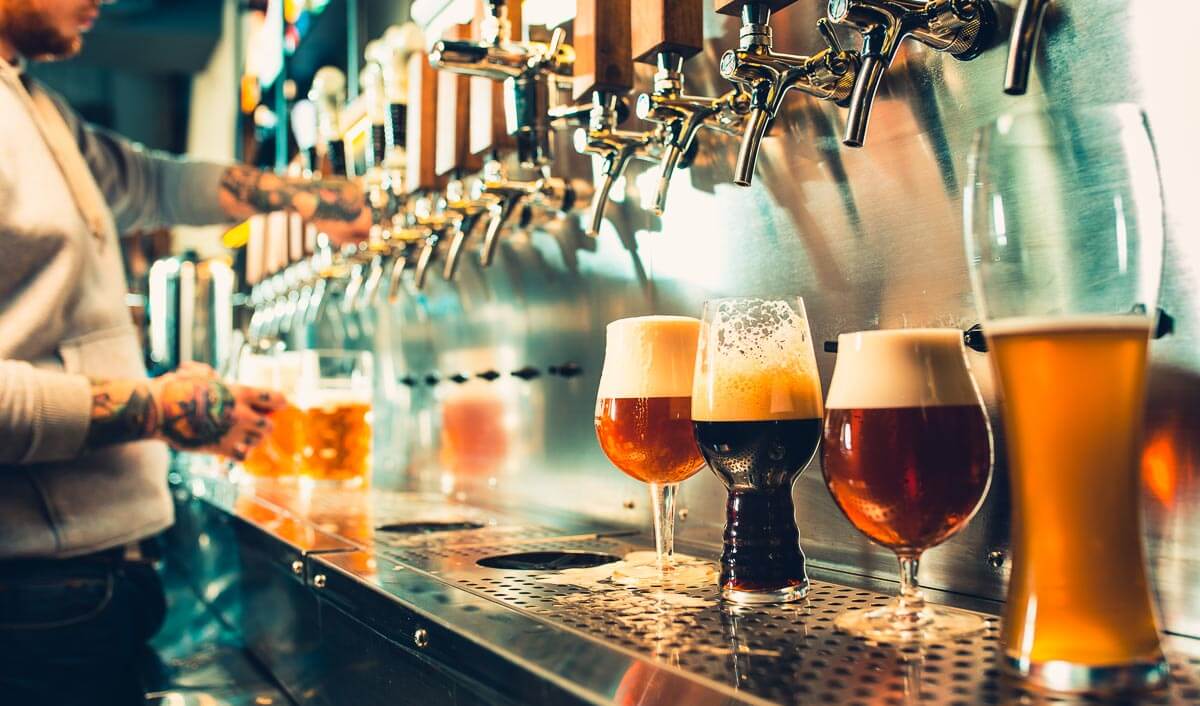
Here you will find an overview of the different types of beer and their characteristics.
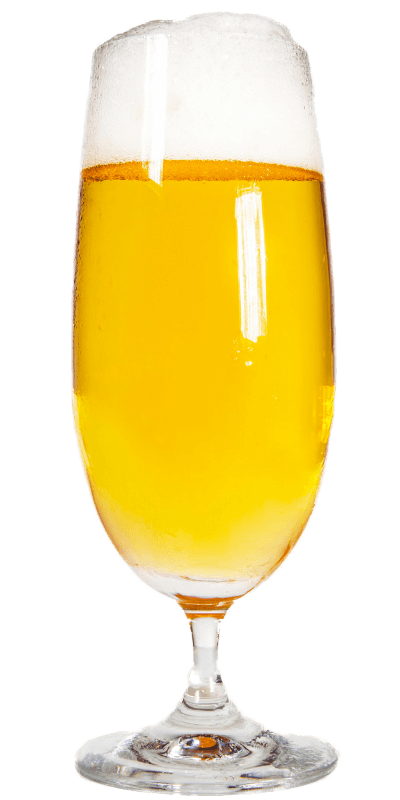
Pilsner
- Alcohol content: around 5 % by volume
- Taste: delicately bitter, hop-bitter, slender, sparkling
- Appearance: light and clear
- Aroma: of hop blossom
- Special features: with pale malt, bottom-fermented, with soft water, low malt sugar content
You can find the finest Pilsner beers from small breweries here
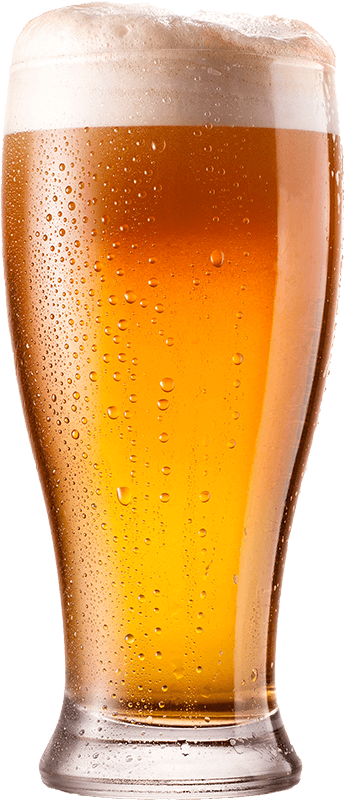
Export
- Alcohol content: around 5.5 % vol.
- Taste: drinkable, soft, aromatic, slightly bitter, full-bodied
- Appearance: light and golden yellow
- Aroma: slightly malty
- Special features: Original wort of over 12 %
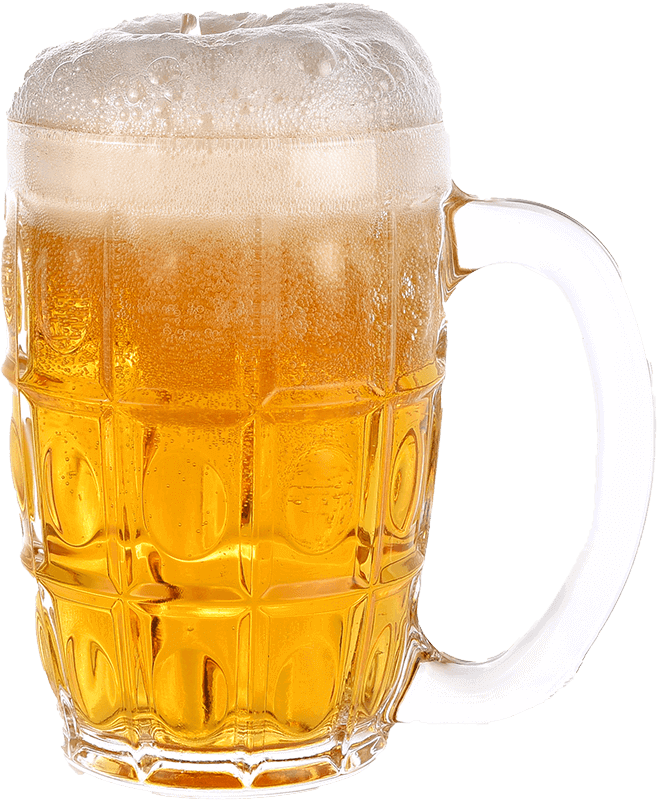
Pale or lager beer
- Alcohol content: 5 % by volume
- Taste: mild, palatable, delicately spicy
- Appearance: light and clear
- Aroma: delicately spicy - incidentally, beer is called "Blume".
- Special features: bottom-fermented beer that is stored longer than other varieties. Low hop content, popular for mixing shandies.
Here you will find a great selection of pale and lager beers
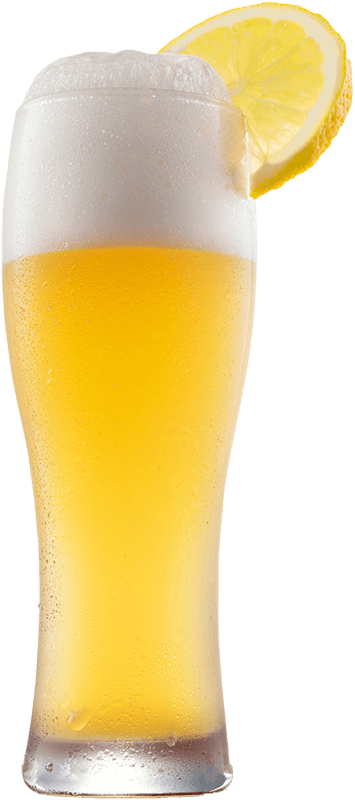
Wheat beer
- Alcohol content: from 3 to 7.5 % by volume
- Taste: fruitier than other beers, mild due to low hop content
- Appearance: yeasty cloudy from golden to amber, bright and clear with crystal wheat
- Aroma: sparkling due to the high proportion of carbon dioxide, numerous varieties from dark to light wheat, all of which differ in terms of aroma and taste
- Special features: Original gravity of 7 to 18% depending on the variety, top-fermented, tastes good on its own or as a mixed drink such as soot with lemonade or cola
White or wheat beer from small breweries? This way!
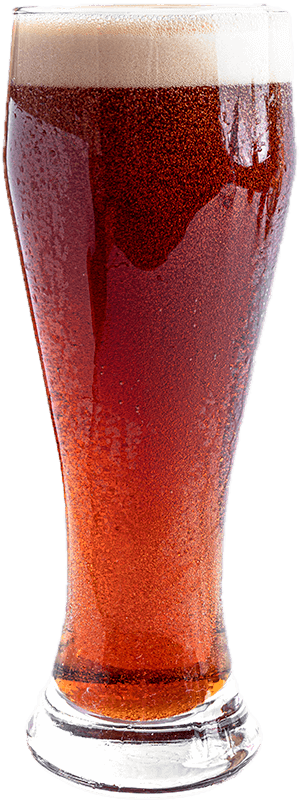
Bock beer
- Alcohol content: over 6 % by volume
- Taste: full-bodied
- Appearance: dark in the north, light in the south
- Aroma: strong, spicy
- Special features: traditionally bottom-fermented, high original wort content of at least 16%, real strong beer, also available as Doppelbock
You can find bock and doppelbock beers with a variety of flavor profiles here!
These were just the most important varieties. Do you fancy a cold beer now? Or would you like to discover other varieties such as Kölsch, Alt, Kellerbier, light beer, non-alcoholic or unusual varieties? Then click through our range and order directly!
By the way: Our selection of non-alcoholic beers is also impressive. See for yourself: Non-alcoholic beers
Matching products to the article
About the autor:

#goteam
Some things can only be accomplished as a team. Just like this article here! That's why we mark all jointly created articles as editorial contributions. Cheers!
- Liebt: nerdy food & drinks knowledge
- Favorite drinks: Tasting packages! You can enjoy them together
- Empfehlung des Monats: Try our various food boxes
Recent articles
-
18 JulFrom Whiskey to Delicatessen to Coffee: Why Some Gifts Are Still Remembered Years Later
-
28 JunVintage Lamps as an Interior Design Trend
-
25 JunHausberg Single Malt Whiskey for Collectors and Connoisseurs—the second cask has arrived!
-
21 MarTea or coffee? A world map of hot beverage enjoyment
-
24 FebCoffee drinks from A to Z: The big encyclopedia of all coffee drinks
-
17 FebAll about table salt: Fleur de Sel, sea salt, rock salt & co. - differences, origin & use
-
07 JanDirect juice meets carbon dioxide - why PENG doesn't want to be a soft drink
-
27 AugBetween needle & nose: tattoos, dragons and bananas in a jar
-
03 JulOrange disco on the tongue: the founding story of Satoshi Spirits


