 Quality instead of quantity!
 9,500 independent products
 No mainstream
 No mainstream here




The art of fermentation: discover the amazing benefits for your health

The most important facts for you at a glance:
- During fermentation, microorganisms such as yeast convert sugar into other compounds
- The resulting probiotics can have a positive effect on the immune system and intestinal health
- Classic fermented foods are, for example, sauerkraut, kimchi, pickled cucumbers or kombucha
Fermentation is a fascinating biological process that has been used by humans for centuries. Whether for the production of beer, wine, cheese, yoghurt or foods such as sauerkraut, kimchi or pickled cucumbers. But what exactly is fermentation - and why is it so healthy? You can find out that and much more here!
What is fermentation and how does it work?
Fermentation is an ancient process in which microorganisms such as bacteria convert yeasts and sugars into alcohol or other useful compounds. This process has been used for centuries to produce foods such as sauerkraut, yogurt or wine.
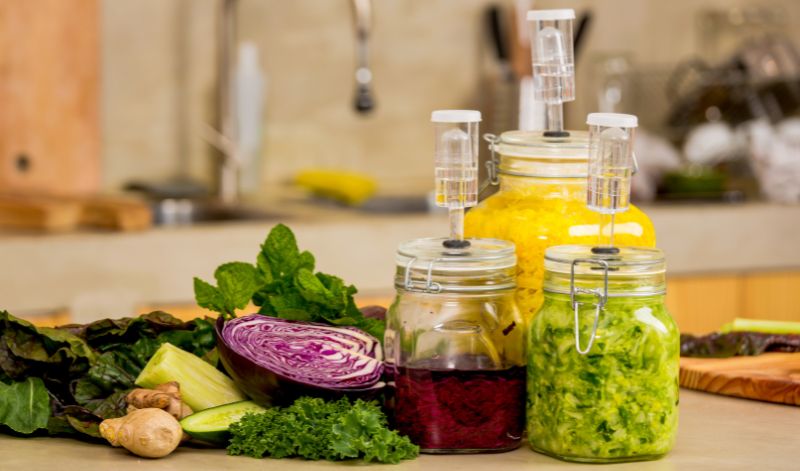
During fermentation, microorganisms convert bacteria into other compounds
But how exactly does it work? Quite simply, certain microorganisms feed on the carbohydrates in the food and produce substances such as lactic acid or carbon dioxide in the process. This changes the taste and shelf life of the food. Fermentation not only extends their shelf life, but often also makes them more digestible and healthier.
The 5 best foods you can ferment at home
Fermented foods are not only incredibly healthy, they are also super easy to make yourself. Here are the 5 best foods that you can easily ferment at home.
1. fermented cabbage (sauerkraut or kimchi)
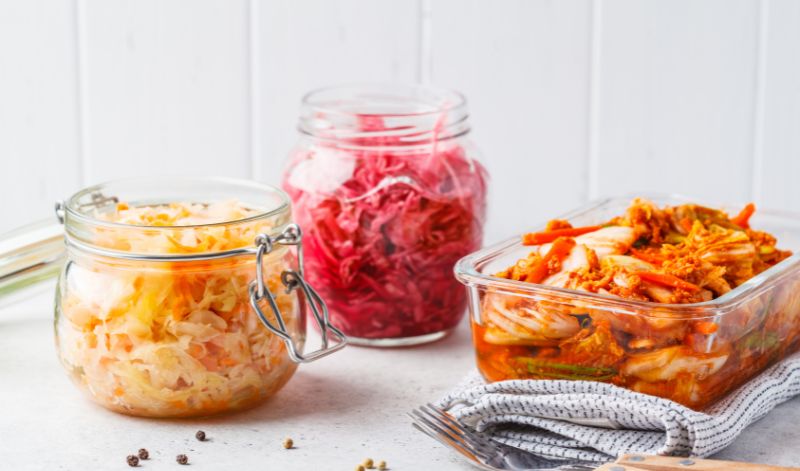
Fermented cabbage is popular all over the world: whether in Germany as sauerkraut or in Korea as kimchi
Fermented cabbage is a real superfood. Not only we Germans have recognized this with our beloved sauerkraut, but also other nations and cultures. In Korea, too, people appreciate the probiotic and nutrient-rich power of cabbage and love to eat kimchi. The fermented cabbage with chili paste is even an integral part of Korean culture - and not just because of its sour and spicy taste.
Find out more about kimchi here.
2. fermented tea (kombucha)
Fermented tea, also known as kombucha, is a fizzy, refreshing drink that has become increasingly popular in recent years. The natural fermentation process creates a kind of natural lemonade that is rich in valuable antioxidants and vital substances. Kombucha is therefore not only a refreshing drink for hot summer days, but can also make an important contribution to promoting health.
The origins of kombucha can be traced back to the ancient empire of China and Russia, where it was already valued as a medicinal drink centuries ago. From there, the tradition of kombucha brewing spread to other parts of the world.
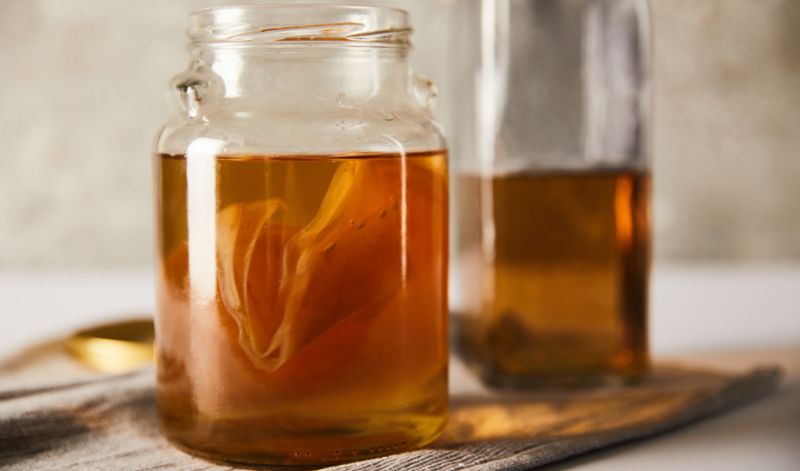
Kombucha is fermented tea - and a popular refreshing drink
However, kombucha is not the only drink produced by fermentation. There is a whole range of other drinks in which fermentation plays a central role and gives the end product its characteristic properties. Beer, wine and cider, for example, are well-known drinks that are created through fermentation. Kefir and yoghurt also belong in this category - here, lactic acid bacteria lead to fermentation of the milk ingredients, which shapes the consistency and taste of these products.
There are also many other, often traditional drinks from all over the world that are produced by fermentation, such as sake from Japan, kumis from Central Asia, kvass from the Slavic region or chicha from the Andes. They all owe their unique characteristics to the natural fermentation process.
3. fermented vegetables (pickles)
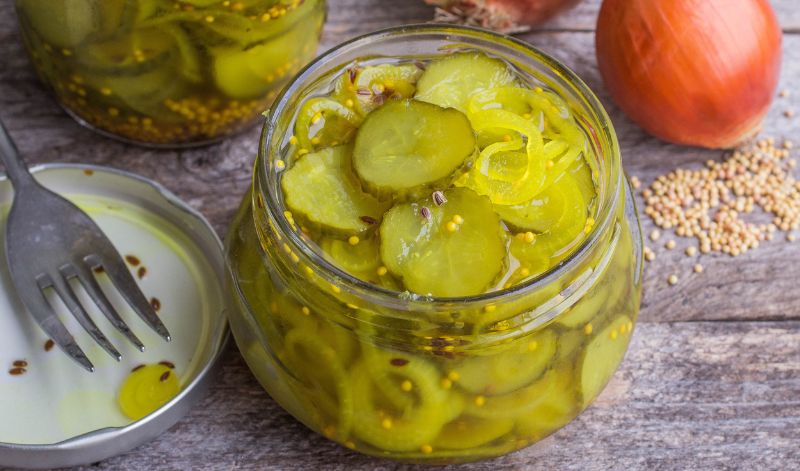
The popular Spreewald gherkins are also fermented vegetables
Fermented vegetables such as carrots, cucumbers or beet are not only incredibly tasty, but also very good for your health. A classic example of this are the popular pickled cucumbers, also known as Spreewald or Spreewald gherkins. These traditional delicacies from German regional cuisine are not only a treat for the palate, but also a real nutrient booster for your body.
In addition to the cucumbers, carrots and beet already mentioned, radishes, fennel and peppers are also ideal for fermentation and enrich your diet with valuable nutrients.
4. fermented fruit (salted lemons)
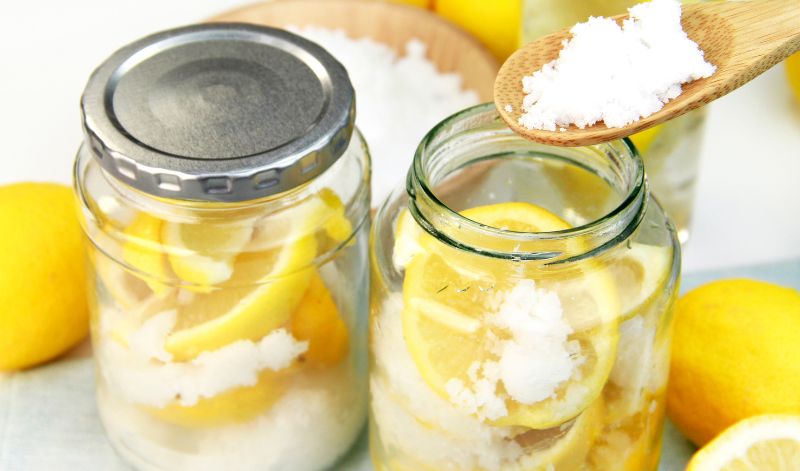
Salty lemons are a popular ingredient, especially in Moroccan cuisine
Fermented fruits such as apples, berries or grapes are indeed a delicious and healthy alternative to conventional sweets. Classic examples include salted lemons, which are mainly used in Moroccan cuisine and are an integral part of it.
But other fruits such as ginger, cherries, plums or figs are also well suited to fermentation and add the finishing touch to desserts or other treats.
5. fermented garlic (black garlic)
Fermented garlic, also known as black garlic, is still considered a real insider tip and is a real flavor booster in the kitchen. Like kimchi, black garlic originally comes from Korea and is a widely used ingredient in many dishes there.
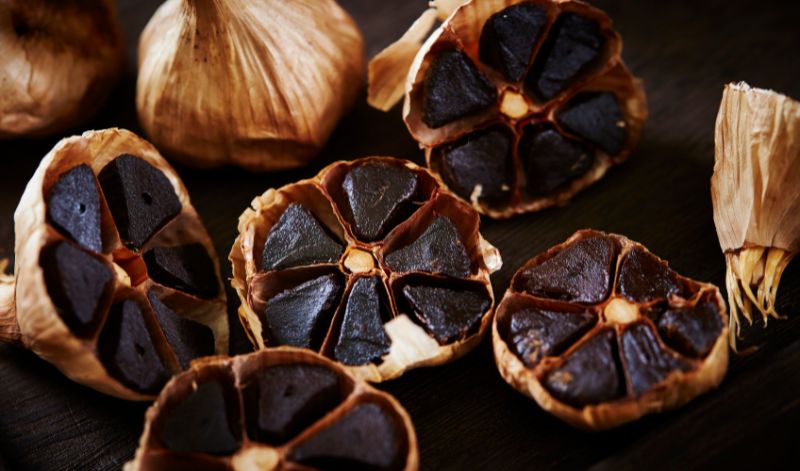
Black garlic originates from Korea - and is a real flavor booster in any kitchen
Black garlic has a deep, almost malty aroma that is very different from the pungent taste of fresh garlic. But it's not just the taste that is fascinating - black garlic is also a real superfood that boasts a wealth of valuable phytochemicals, antioxidants and many health-promoting properties.
Fermentation increases the content of bioactive compounds such as allicin, alliin and allyl propyl disulphide, which have been shown to have positive effects on our well-being. From boosting the immune system to supporting cardiovascular health, black garlic can support your health in so many ways.
Why fermenting is so good for your health
As already mentioned, the fermentation process produces lots of health-promoting bacteria, known as probiotics. These valuable microorganisms are true all-rounders for your well-being. Not only can they strengthen your immune system, they can also noticeably improve your digestion and intestinal health.
The probiotic bacteria interact closely with your digestive tract and actively contribute to the smooth absorption and utilization of nutrients. They also produce important vitamins and enzymes that support your metabolism. At the same time, they inhibit the growth of harmful bacteria and thus ensure a balanced, healthy intestinal environment.
Your immune system can also benefit enormously from the presence of these valuable microorganisms. They can strengthen your natural defenses and help to better prevent infections and illnesses. Through their interaction with your body cells, probiotics can make a decisive contribution to your general well-being. Fermented foods such as sauerkraut, kimchi or kombucha are therefore real power foods that you should regularly integrate into your everyday life. Your gut will thank you!
Fermenting - step-by-step instructions
Fermentation is not only super healthy, but also very easy to implement. First, you need the right equipment. A glass bottle or preserving jar is ideal for sealing your food airtight. Some people prefer to use a weight to ensure that all ingredients are covered with brine and no mold forms. However, it often works great without a weight.
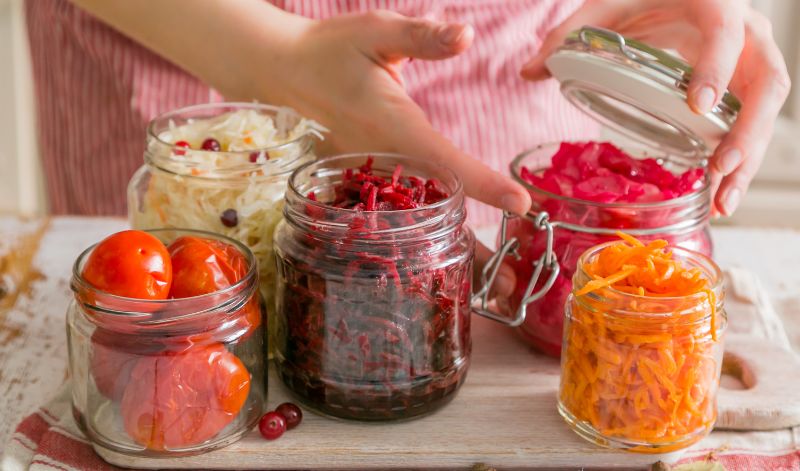
Fermenting is not that difficult - you can find step-by-step instructions here
Once you have a preserving jar, you can get started straight away:
- Wash out the container thoroughly, preferably with hot water or a little vinegar essence. This will ensure that there are no "bad" bacteria in your fermentation jar and that your ingredients don't go moldy.
- Prepare the ingredients: Rinse the ingredients briefly so that there is no coarse dirt on the peel or similar. Then simply cut them up, ideally into bite-sized pieces or smaller (e.g. for sauerkraut or similar)
- Layer the ingredients in the jar: If you are using spices, you should put them in the jar first so that they don't float to the surface later. Leave about 1-2 cm free at the top.
- Pickling: To pickle your ingredients, you now need the magic ingredient: salt. Salt is your fermentation starter, so to speak, because it removes the liquid from the fruit and vegetables and thus starts the process. There are two options for pickling - either you ferment in brine, in which case you mix salt with water and add it to the jar. Or you can ferment fruit or vegetables in their own juice and only add salt. Depending on how you proceed, you will need a different salt concentration: for the brine you need 3% (i.e. 30g salt to 1 liter of water), for the own juice fermentation 2% (i.e. 20g salt to 1 kg of vegetables).
- Finalize layering: No matter which fermentation method you choose, it is important that all ingredients are completely covered with liquid. This is important to prevent mold from forming. If not all the ingredients remain under the liquid, you can use a weight to weigh them down.
- Seal the jar & leave to ferment: Now seal your jar and leave it in a place protected from direct sunlight at room temperature for 5-7 days. Caution: Do not close too tightly! You can also let some air out of your jar from time to time so that it doesn't fly around your ears. To do this, just open the lid slightly until you can hear the air being released. If your jar gets a little full, place it on a plate or in a bowl to be on the safe side
- Place in a cool place: After a good week, your fermentation should be ready! You can now store it in the fridge to slow down the fermentation process and keep your fermentation product at the desired consistency.
Not that difficult, is it? And don't be put off: fermentation can occasionally produce unpleasant gases that can smell quite strong. But that doesn't mean that your ferment has gone bad - on the contrary. If it smells, it's working!
Matching products to the article
About the autor:

Katalog & Marketing Managerin

Für mich geht nichts über das Entdecken kleiner Manufakturen. Ob das der Micro Craft Brauer aus Bayern oder die sächsische Brennerei ist, die es bereits seit Jahrzehnten gibt - hauptsache klein, regional verwurzelt und mit Sinn für's Handwerk!
- Liebt: frische Luft, ihren Hund & Vinyl
- Favorite drinks: wechseln mit so ziemlich jedem Glas...
- Empfehlung des Monats: Alkoholfreier Gin. Der EASIP Fields holt den Frühling ins Glas!
Recent articles
-
01 JulRare Teas as Collectibles: What Connoisseurs Appreciate
-
28 JunVintage Lamps as an Interior Design Trend
-
25 JunHausberg Single Malt Whiskey for Collectors and Connoisseurs—the second cask has arrived!
-
21 MarTea or coffee? A world map of hot beverage enjoyment
-
24 FebCoffee drinks from A to Z: The big encyclopedia of all coffee drinks
-
17 FebAll about table salt: Fleur de Sel, sea salt, rock salt & co. - differences, origin & use
-
07 JanDirect juice meets carbon dioxide - why PENG doesn't want to be a soft drink
-
27 AugBetween needle & nose: tattoos, dragons and bananas in a jar
-
03 JulOrange disco on the tongue: the founding story of Satoshi Spirits


