 Quality instead of quantity!
 9,500 independent products
 No mainstream
 No mainstream here




What is gin and how is it made?

Gin and tonic is a must on every long drink menu. Time to take a closer look at the Superstar Gin it contains. Here you can find out how this fine spirit based on juniper berries is made, which varieties are available and how you can best enjoy your drink.
What is gin?
Gin is a juniper schnapps that first appeared in Dutch sources in the 17th century under the name Genever. When William III ascended the British throne, he brought the spirit from his homeland to the island. Genever became gin to make it easier to pronounce. Tax-free production and simple production processes quickly made the drink popular - even today.
What is gin made of?
The EU Spirits Regulation stipulates that gin must consist of a base alcohol made from rye, barley, corn or wheat plus juniper. Other ingredients, known as botanicals, are required to give the spirit its unique taste. These are herbs, spices, berries, flowers or fruit peel. The right mixture of the individual ingredients makes the taste. There are classic gins that combine juniper with coriander and citrus notes. Spicy gins rely on herbs, while flowers such as holdunder or lavender are added to floral gins. Lime, bergamot and the peel of other citrus fruits give certain types of gin their aroma. If you like it exotic, try crisp gins with notes of pepper or cardamom. As a rule, six to ten botanicals are used. However, there are also gins with 22 or even 47 botanicals. Around 120 different botanicals are used worldwide.
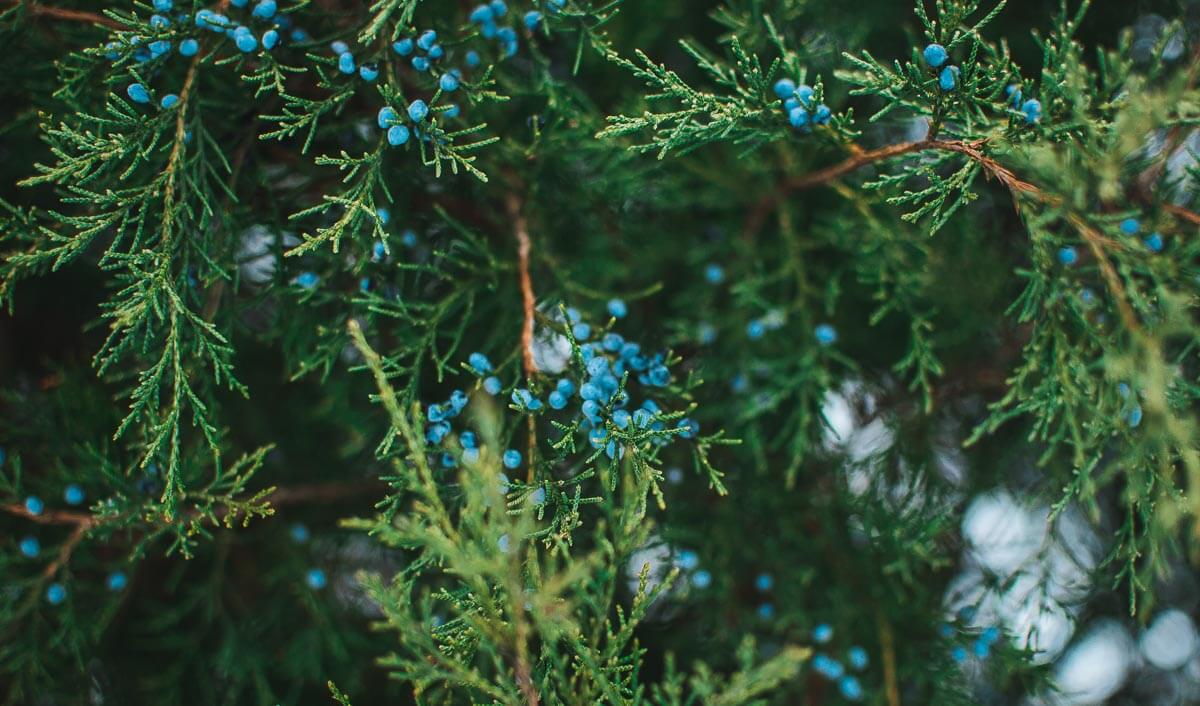
The most important ingredient in gin is juniper
Gin production
Botanicals are soaked in a neutral alcohol to give the gin its flavor. During maceration (cold extraction), crushed botanicals are stored in a large vat for several days or weeks. Alternatively, flavoring takes place via digestion. The botanicals mixed with the alcohol are heated to around 70 degrees Celsius to release the essential oils. If a producer opts for percolation, he fills the botanicals in sieve inserts directly above the still, where the evaporating alcohol is flavoured directly.
Some gins can be filtered and bottled directly. Most varieties are distilled gin. This means that the macerate is heated in the still. This separates the flavored base alcohol from the remaining ingredients. The alcohol vapor rises and liquefies again as it cools. The result is the high-proof distillate. Good to know: As not all botanicals are suitable for maceration, manufacturers also use different methods for flavoring in parallel.
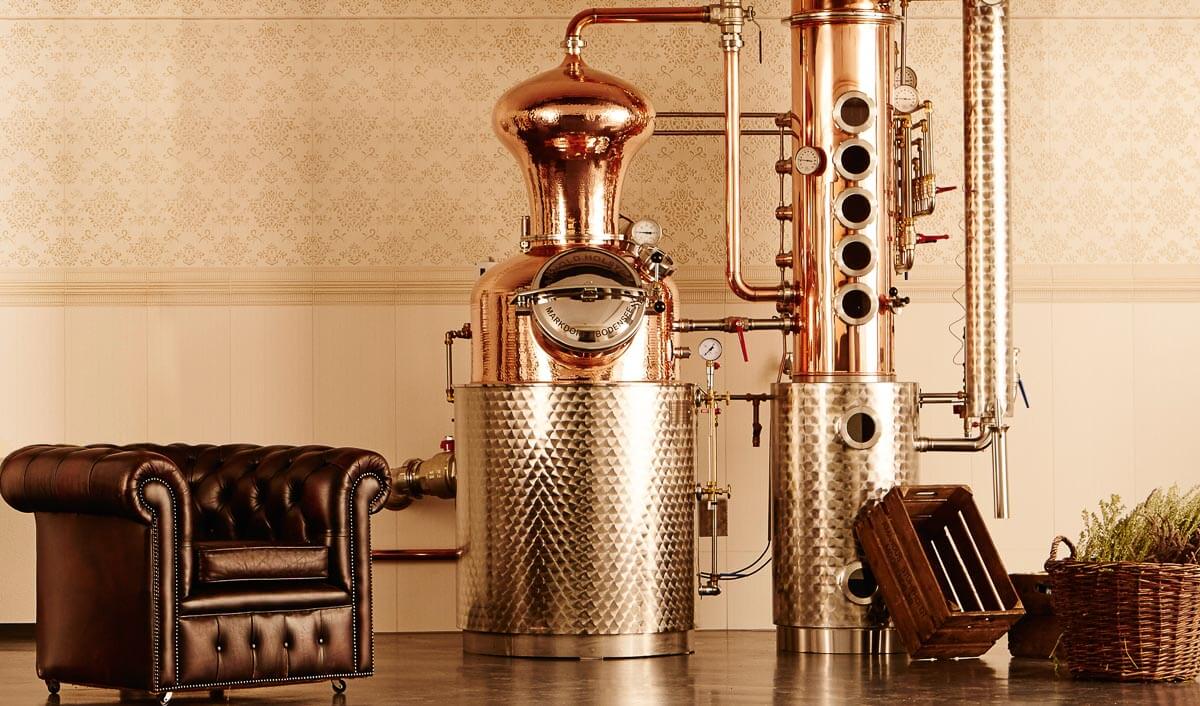
Example of a gin distillery at Windspiel Manufaktur.
After distillation, gin must be stored in a neutral container so that no foreign aromas influence the taste and the good stuff can mature for two to six weeks. Some producers also use wooden barrels - you can recognize this by the slightly darker color of the gin. In order for the gin to reach the drinkable level of 37.5% by volume, it must be "reduced" during bottling. Lime water is used for dilution.
Profile of the individual types of gin
The EU requires a kind of "purity law" for gin. This is why there are officially three types:
London Dry Gin
This popular type of gin has the following characteristics:
- Minimum alcohol content of 37.5% vol
- Vegetable alcohol as a base
- only natural botanicals, which are all added at the same time
- triple distillation
- distinct juniper note
Order directly from small manufacturers: London Dry Gins
Dry Gin
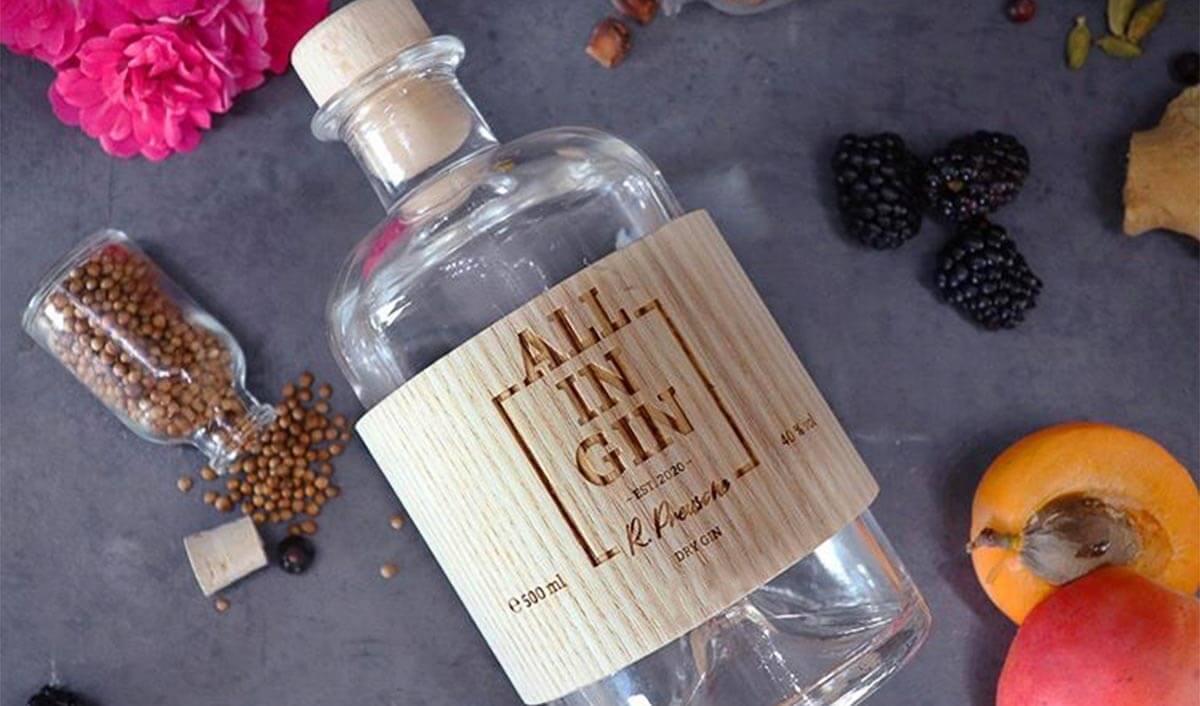
All In Gin from the Black Forest is a good example of dry gin.
- Minimum alcohol content of 37.5 % vol
- Must be distilled
- Natural or natural-like botanicals
- addition of the botanicals at any time
- No addition of sugar permitted
Directly to our large range of dry gins.
Sloe gin
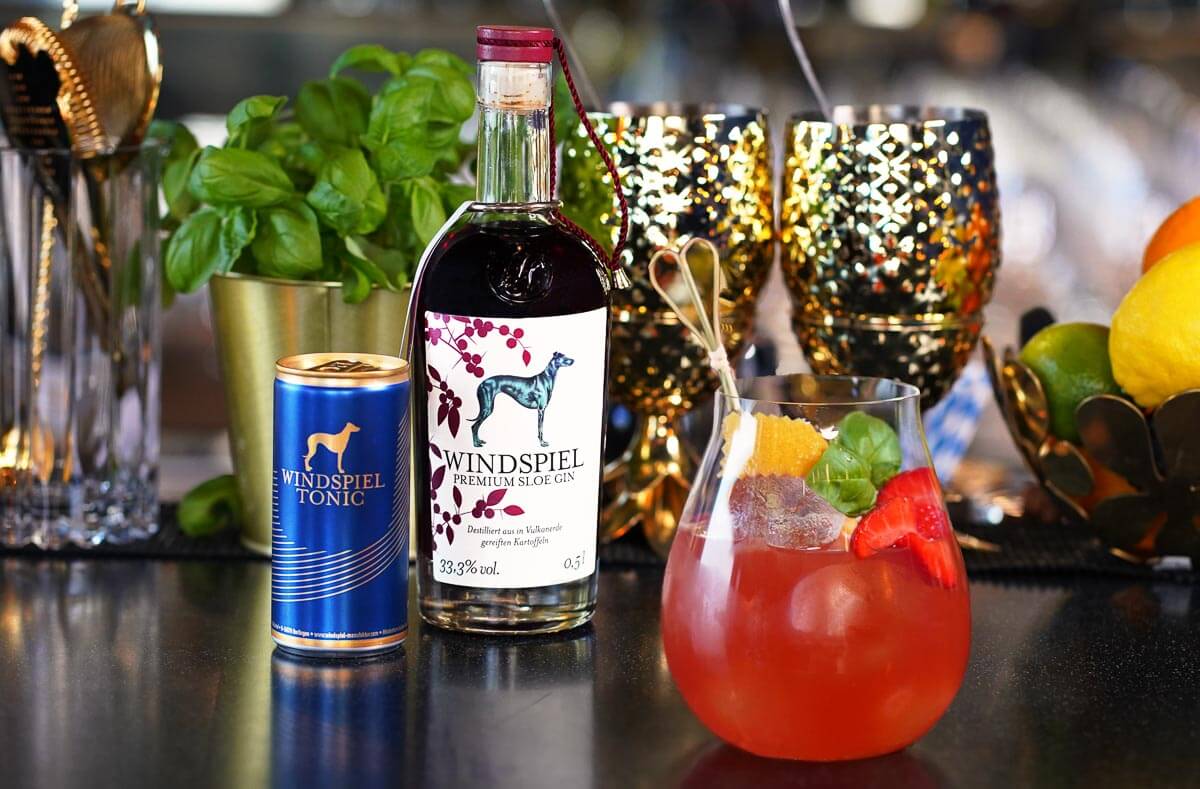
An excellent sloe gin is the Windspiel Sloe Gin.
- actually falls under liqueurs
- does not have to reach a minimum alcohol content of 37.5 % vol.
- is prepared, not distilled
- reddish color from the sloe berries, which are added to the gin with sugar
Directly to our small batch & handcrafted sloe gins
Other types of gin
Take a look at these varieties too:
- New Western Dry Gin: Lots of creative botanicals and a departure from the classic juniper flavor
- Old Tom: Perhaps the most original type of gin, which is currently experiencing a renaissance.
- Cordial: A sugared classic that has also been rediscovered.
- Reserved: Gins aged in wooden barrels
- Pink: Infused with strawberries - you can like it, but you don't have to.
- Plymouth: a protected designation of origin until 2016. The original has been produced by the Black Friars Distillery in Plymouth since 1793.
- Alcohol-free gin or, better said, an alcohol-free gin alternative
How to drink gin
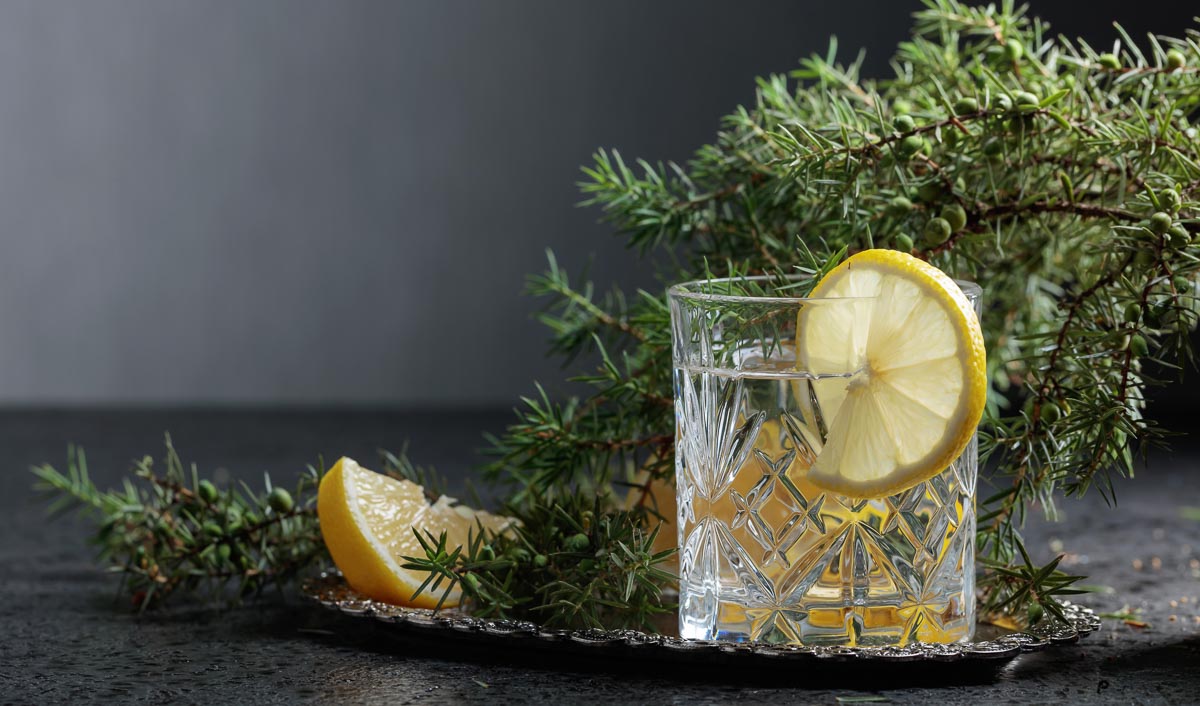
The gin and tonic is the classic gin drink.
Better types of gin can be enjoyed neat, whereby the drinking temperature should be around 15 degrees Celsius. However, the spirit is not designed for pure consumption and is drunk mixed. The most famous variant is Gin & Tonic. Tonic water is added to your preferred type of gin, either in a ratio of 1:1 or 1:2. Another classic is the gin fizz with lemon juice, sugar syrup and soda. Fancy a long drink? Now that you know what to look out for when choosing your gin, you can discover the best gins in our range and order them straight away! To the gin range
Matching products to the article
About the autor:

#goteam
Some things can only be accomplished as a team. Just like this article here! That's why we mark all jointly created articles as editorial contributions. Cheers!
- Liebt: nerdy food & drinks knowledge
- Favorite drinks: Tasting packages! You can enjoy them together
- Empfehlung des Monats: Try our various food boxes
Recent articles
-
01 JulRare Teas as Collectibles: What Connoisseurs Appreciate
-
28 JunVintage Lamps as an Interior Design Trend
-
25 JunHausberg Single Malt Whiskey for Collectors and Connoisseurs—the second cask has arrived!
-
21 MarTea or coffee? A world map of hot beverage enjoyment
-
24 FebCoffee drinks from A to Z: The big encyclopedia of all coffee drinks
-
17 FebAll about table salt: Fleur de Sel, sea salt, rock salt & co. - differences, origin & use
-
07 JanDirect juice meets carbon dioxide - why PENG doesn't want to be a soft drink
-
27 AugBetween needle & nose: tattoos, dragons and bananas in a jar
-
03 JulOrange disco on the tongue: the founding story of Satoshi Spirits


