 Quality instead of quantity!
 9,500 independent products
 No mainstream
 No mainstream here




What is tonic water - the secret revealed

What is tonic water - definitely more than just a refreshing drink containing quinine. Read more here about its history, medicinal use, variety of types and the perfect combination with gin.
What is tonic water? A cult drink under the microscope
The gin renaissance is no longer a secret. Tonic water also owes its comeback to the rise of gin as a trendy drink. The former malaria remedy has had a fantastic history and now surprises with an unprecedented variety of flavors. But what is the story behind the filler?
You can find our tonic range here
What is tonic water?
Tonics are carbonated soft drinks that belong to the bitter lemonade family. The drink gets its bitter taste from quinine, while lemongrass adds freshness. The higher the quinine content, the more bitter the drink. Sugar is optionally added depending on the aromas of the fruit acids. The name is derived from the ancient Greek word "tonikos", which can be translated as "tonic". In English, "tonic" means something like "strengthening" or "invigorating".
Quinine - the triumph of a bark
Quinine is a natural chemical compound and belongs to the quinoline alkaloids. It is found in South America and Africa in the bark of the cinchona tree. After extraction of quinine from the bark, the substance is pressed and sold as a powder. If your drink glows blue when exposed to UV light, this is due to the fluorescent properties of quinine. You can still feel the bitter taste at a mixing ratio of 1:50,000. Quinine cannot be produced artificially. It is a prescription-only medicine in Germany, but there is no need to worry: the concentration in a gin and tonic is too low to have any effect. However, a liter of tonic water may contain a maximum of 85 mg of quinine.
The story behind tonic water
Quinine has a legendary history. Indigenous peoples traditionally knew about the healing power of the bark. When a Spanish soldier suffering from malaria fell into a pool surrounded by cinchona trees during a conquest, he quickly recovered. The Countess of Chinchón, who was also suffering from malaria, is said to have been nursed back to health with cinchona by a chieftain's daughter in 1638. The story is not historically proven, but gave the tree its name. Until the middle of the 19th century, however, the bark was the only cure for malaria.
In 1820, the two French pharmacists Pierre Joseph Pelletier and Joseph Bienaimé Caventou are said to have succeeded in extracting pure quinine. Erasmus Bond patented tonic water in London in 1858. In 1870, Johann Jacob Schweppe's company, purveyor to the British Crown, launched a tonic water infused with quinine and lime on the market on a large scale under the name Indian Tonic.
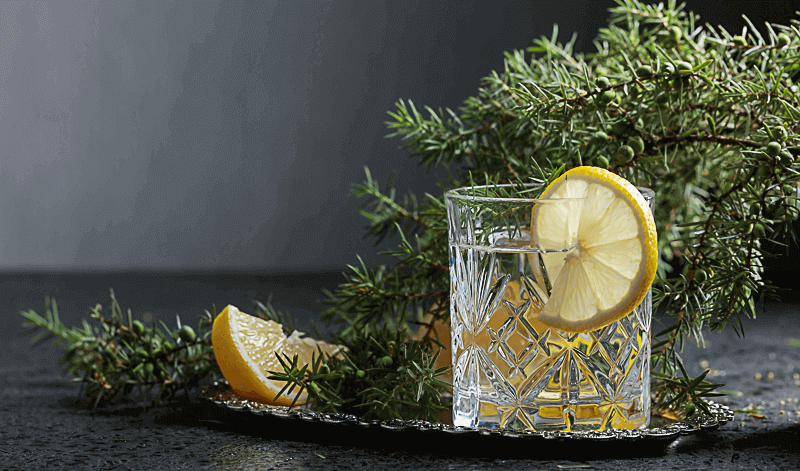
As with gin, you will also find an enormous variety of flavors in tonic water.
The triumph of gin and tonic
Tonic water was part of the standard equipment used by the armies of the colonial powers to effectively protect against malaria. In order to maintain malaria prophylaxis, the soldiers had to drink tonic water regularly. This was quite a challenge due to the bitter taste. To mask this and make the tonic water last longer, gin was added to the canteens. The birth of gin and tonic! In combination with Indian Tonic from Schweppes, a long drink began its triumphal march around the world. Gin and tonic has always been present, sometimes more, sometimes more discreetly among connoisseurs and aficionados. In recent years, however, the drink has become immensely popular. This has led to a huge range of tonic water varieties - and an even more impressive selection of gins.
Tonic water - discover flavor profiles
The range of varieties has grown continuously in recent years, not only for gin, but also for tonic water. When asked "What is tonic water", most people first think of a relatively neutral drink. In fact, tonic water that falls into this category is characterized by rather bitter notes. To bring balance to the taste, classic tonic waters are given various citrus notes. In combination with carbon dioxide, this creates a tingling freshness, whereby the gin takes precedence in these cocktails and can develop optimally. Typical examples are Indian Tonic, but also a tonic syrup that can be dosed as required.
Tonic water with a floral note
You may have been wondering what a tonic water with a floral note is. These tonic water brands are anything but restrained. They impress with floral, almost playful notes. Floral tonics give gin and tonic a whole new dimension. The focus is on an extraordinary taste experience. Bitter nuances take a back seat and the tonic water defines the taste of the drink. A typical example of floral tonics is Fever Elderflower Tonic Water. The British manufacturer sources its ingredients from various African countries. The quinine is extracted from the bark of the fevertree, which grows in Rwanda and the Congo. Elderberry is also added. Mixed with gin, the result is an intense flavor that leaves an exotic tingle in the mouth. Other interesting floral tonics such as Qyuzu play with the aroma of the exotic Qyuzu fruit.
Tonic water in the tart version
For a long time, tonic water mixed with quinine was not allowed to be too tart so that the gin could play the leading role. In the meantime, the view has prevailed that spicy notes set the scene perfectly for a classic gin. Citrus notes remain discreetly in the background, creating a rounded, very rich taste experience. The Windspiel Herbal Hemp Tonic Water is characterized by a very high quinine content. The tonic from the Vulkaneifel region is infused with hemp seed extract and boasts an exceptional taste. Simple carbonated water is not used here; a special spring water is used. Other varieties such as Mistelhain DASTONIC Signature impress with spice distillates.
Dry tonic - tonic water with an extra kick of freshness
If you love the contrast to the floral tonic water varieties, go for the dry version. Bitter and citrusy notes are reduced. The freshness kick usually only comes from carbonated water. These tonic water brands are a good choice for gin with a strong aroma of its own. A classic is Windspiel Dry Tonic Water with a high quinine content, but also hints of lemon.
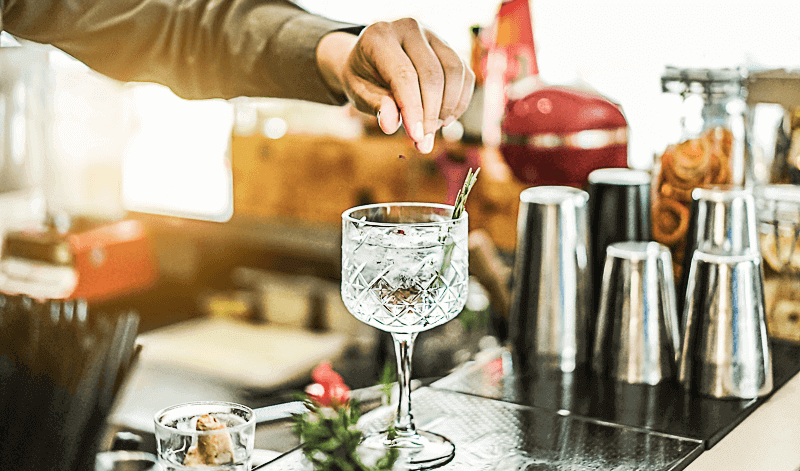
Whether behind the bar or in the home bar, a good tonic is a must.
The most popular filler in all bars
By the way: products sold with the addition of ginger are not tonic water. It is often a soft drink with lots of sugar. It does not contain quinine. Does it taste good mixed with gin? As is so often the case, it's a matter of taste. You are always on the right track with gin and one of the numerous tonic water brands, which provide plenty of variety. It's not for nothing that tonic water is one of the most popular fillers in bars around the world - not just carbonated water mixed with quinine, but an ingredient with cult status. After all, Oasis also sing"I feel supersonic, give me a gin and a tonic". Don't want to rely on the bartender, but want to mix your own gin and tonic? Then discover our huge range of gins and tonic water!
You can find the right gin for your perfect gin and tonic here -> Gin
Matching products to the article
About the autor:

#goteam
Some things can only be accomplished as a team. Just like this article here! That's why we mark all jointly created articles as editorial contributions. Cheers!
- Liebt: nerdy food & drinks knowledge
- Favorite drinks: Tasting packages! You can enjoy them together
- Empfehlung des Monats: Try our various food boxes
Recent articles
-
18 JulFrom Whiskey to Delicatessen to Coffee: Why Some Gifts Are Still Remembered Years Later
-
28 JunVintage Lamps as an Interior Design Trend
-
25 JunHausberg Single Malt Whiskey for Collectors and Connoisseurs—the second cask has arrived!
-
21 MarTea or coffee? A world map of hot beverage enjoyment
-
24 FebCoffee drinks from A to Z: The big encyclopedia of all coffee drinks
-
17 FebAll about table salt: Fleur de Sel, sea salt, rock salt & co. - differences, origin & use
-
07 JanDirect juice meets carbon dioxide - why PENG doesn't want to be a soft drink
-
27 AugBetween needle & nose: tattoos, dragons and bananas in a jar
-
03 JulOrange disco on the tongue: the founding story of Satoshi Spirits


