 Quality instead of quantity!
 9,500 independent products
 No mainstream
 No mainstream here




Alster & Radler - what's the difference?

The most important facts summarized for you:
- Alster and Radler are synonyms for a mixed beer drink made from light beer and lemonade
- Alster is mainly used in northern Germany, while Radler comes from Bavaria
- In addition to Alster and Radler, there are many other mixed beer drinks such as Diesel, Russ and Black Velvet
If you come from southern Germany to the North Sea or Baltic coast, you may sometimes be surprised when locals order an "Alster". Is an Alster the same as a Radler? We clarify!
Alster & Radler are synonyms
In fact, Alster and Radler are synonyms for one and the same drink: beer and lemonade. As a rule, light beer and lemonade are used for this mixed beer drink.
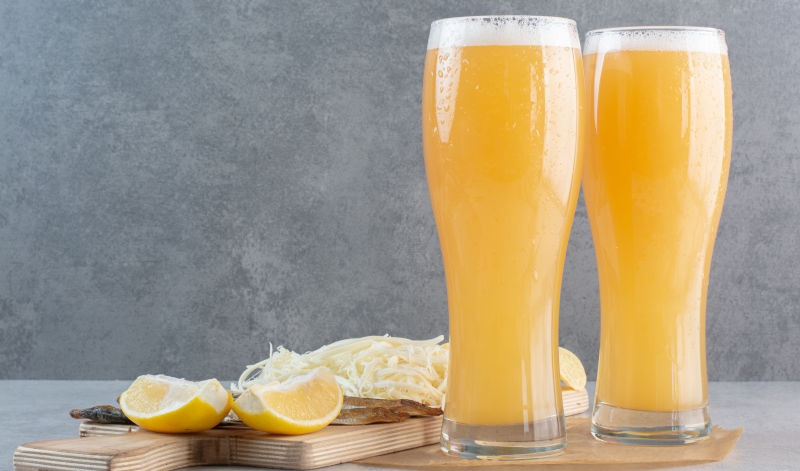
Alster or Radler is a mixture of beer and lemonade
Some rumor has it that the Radler in the south contains a little more lemonade than the Alster in the north - and therefore tastes a little sweeter and lighter. But the truth is that there are no established proportions for these mixed beer drinks. Instead, the "recipe" of the shandy is always based on personal taste and/or the types of beer or lemonade used.
Buying mixed beer drinks

- Manufacturer: Wacken brewery

- Manufacturer: Brewery Nittenau

- Manufacturer: Finnish brewery
Where do the names Alster and Radler come from?
Alster, also known as Alsterwasser, takes its name from the River Alster, which flows through Hamburg. The mixed beer drink supposedly got its name because it is said to have the same color as the Alster. Whether this is true can probably only be judged on your next visit to the Hanseatic city.

Alster takes its name from the river Alster, which flows through Hamburg
The name Radler, on the other hand, is said to originate from Bavaria in the 20th century. Here, the term "Radlermaß" became established as a term for beer for cyclists. They liked to travel in groups, especially at the weekend - and wanted a rather light alcoholic drink so that they could continue their journey afterwards.
Incidentally, the birthplace of the cyclist is also said to be in Bavaria, in Upper Bavaria to be precise. In the beer garden of the Kugler Alm in Oberhaching in 1922, the landlord is said to have been surprised by a group of cyclists who wanted to drink more than his beer supplies could hold. So, without further ado, he diluted the beer with lemonade. A good 100 years later, we can say that the coup was a success.
Other mixed beer drinks
Radler or Alster is probably the best-known and most popular mixed beer drink in this country - but it is certainly not the only one. There are also variations of the beer and lemonade mix: the dark Radler, mixed with dark beer, or the sour Radler, which is mixed with mineral water instead of lemonade.
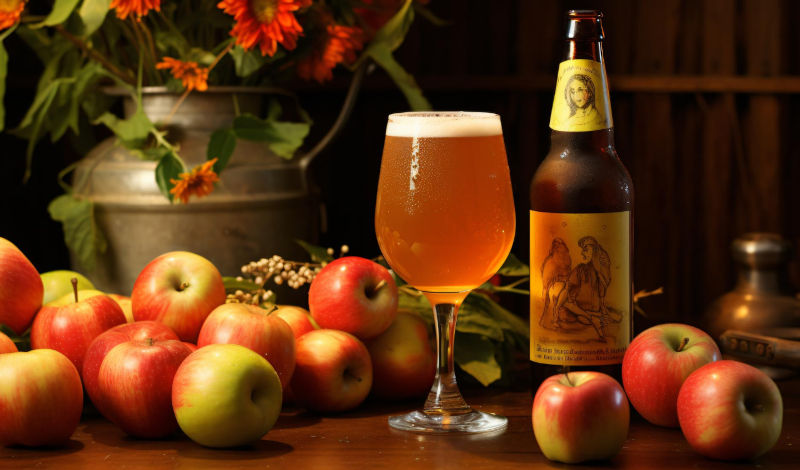
There are other mixed beer drinks, including one with cider
Here you will find a small overview of other mixed beer drinks:
- Almradler: Pale beer mixed with herbal lemonade
- Black and Tan: Originates from England. Here, two types of beer, pale ale and stout, are layered on top of each other - ideally so that they do not mix. The result is a two-tone mixed beer drink
- Black Velvet: Stout mixed with champagne. This mixture also comes from Great Britain.
- Diesel: Pale or lager mixed with cola. Also a variation of the Radler.
- Goaßmaß: a mixture of dark wheat, cola and cherry liqueur. Particularly popular in Bavaria
- Monaco: For a Monaco or Queen Mary, a shot of grenadine syrup is added to the ready-mixed Radler
- Potsdamer: Particularly popular in Brandenburg. For a Potsdamer, you mix Pils with Fassbrause
- Red Eye: Light beer mixed with tomato juice - and sometimes refined with spices such as Tabasco or Worcestershire sauce. The beer version of a Bloody Mary, so to speak.
- Russ or Russ'n-Maß: Another variation on the Radler, only this time the type of beer is changed. Instead of pale ale, wheat beer is mixed with lemonade. It tastes a little sweeter than conventional Radler and is said to have got its name from Russian farm workers who lived in Bavaria in the 1920s and loved to drink this mixture.
- Snakebite: Lager mixed with cider. Became popular in Great Britain in the 80s. The variation "Snakebite & Black" contains a dash of blackcurrant syrup.
Matching products to the article
About the autor:

Katalog & Marketing Managerin

Für mich geht nichts über das Entdecken kleiner Manufakturen. Ob das der Micro Craft Brauer aus Bayern oder die sächsische Brennerei ist, die es bereits seit Jahrzehnten gibt - hauptsache klein, regional verwurzelt und mit Sinn für's Handwerk!
- Liebt: frische Luft, ihren Hund & Vinyl
- Favorite drinks: wechseln mit so ziemlich jedem Glas...
- Empfehlung des Monats: Alkoholfreier Gin. Der EASIP Fields holt den Frühling ins Glas!
Recent articles
-
18 JulFrom Whiskey to Delicatessen to Coffee: Why Some Gifts Are Still Remembered Years Later
-
28 JunVintage Lamps as an Interior Design Trend
-
25 JunHausberg Single Malt Whiskey for Collectors and Connoisseurs—the second cask has arrived!
-
21 MarTea or coffee? A world map of hot beverage enjoyment
-
24 FebCoffee drinks from A to Z: The big encyclopedia of all coffee drinks
-
17 FebAll about table salt: Fleur de Sel, sea salt, rock salt & co. - differences, origin & use
-
07 JanDirect juice meets carbon dioxide - why PENG doesn't want to be a soft drink
-
27 AugBetween needle & nose: tattoos, dragons and bananas in a jar
-
03 JulOrange disco on the tongue: the founding story of Satoshi Spirits


