 Quality instead of quantity!
 9,500 independent products
 No mainstream
 No mainstream here




Coffee roasting - differences between light, medium & dark roasting

The most important facts summarized for you:
- There are different degrees of roast for coffee: light, medium & dark
- the roasting degrees differ in color, acidity, caffeine content and aroma
- In addition to the degree of roast, other factors also determine the taste of the coffee, e.g. variety, preparation or the method of preparation
Coffee, the much-loved drink that starts the morning for many people, has a remarkable journey from bean to cup. A crucial step in this process is coffee roasting. During roasting, the coffee beans undergo a transformation that brings out their special flavors and aromas.
From light to medium to dark roasts, each roasting stage offers a unique flavor profile. In this article, we will look at the art of coffee roasting and find out why there are different degrees of roast.
Buying high-quality coffee from small manufacturers:

- Manufacturer: CafCaf
- Coffee region: Santander

- Manufacturer: INDIE ROASTERS

- Manufacturer: Good Spirits
- Coffee region: Guji
The roasting process: the art of transformation
During the coffee roasting process, green coffee beans are transformed by heat into the familiar aromatic brown beans that we use for brewing. During roasting, various reactions take place in the beans that lead to physical and chemical changes.
The main goal of roasting is to develop the desired flavors while creating a balance between acidity, body and bitterness. The degree of roasting has a significant impact on the taste, aroma and mouthfeel of the finished coffee. The roast also affects the caffeine content, with darker roasts generally containing slightly less caffeine than lighter roasts.
The three roast levels: Light, medium and dark
Light roast:
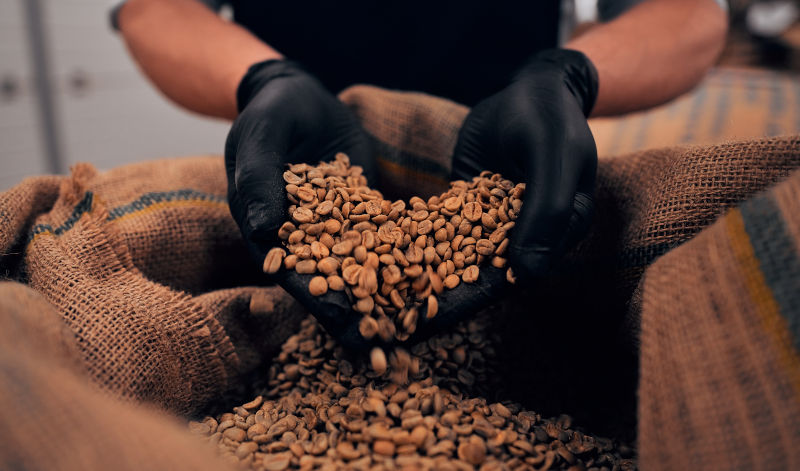
Light roasts are characterized by their light brown color and a fine, lively acidity. The beans are roasted at a lower temperature and for a shorter duration, which preserves most of their original characteristics.
Light roasts often have more pronounced floral, fruity and acidic aromas, with a hint of sweetness. The body is usually lighter and the caffeine content is higher than in darker roasts. Light roasts are preferred for beans with complex flavors, e.g. from Ethiopia or Panama.
Medium roast:
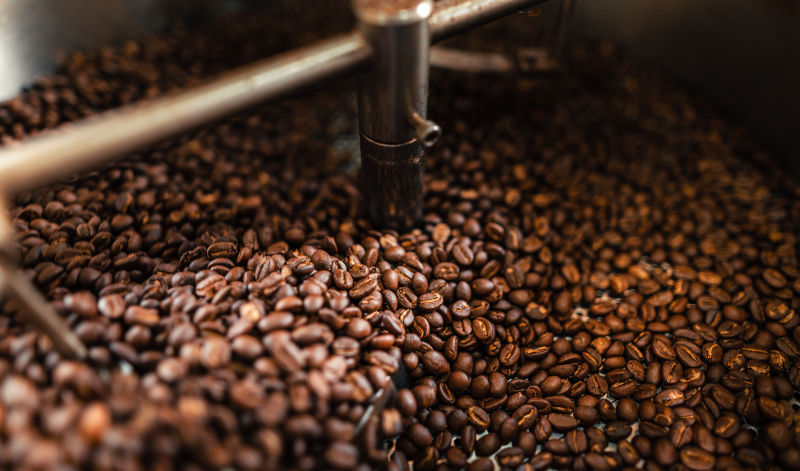
Medium roasts create a balance between the acidity of light roasts and the stronger flavors of dark roasts. The beans are roasted a little longer, giving them a medium brown color. This roasting intensifies the beans' own flavour and gives them a certain caramelization and a hint of bitterness.
Medium roasts offer a more balanced profile with medium body, acidity and sweetness. They are often favored for their versatility and appeal to a wide range of coffee lovers.
Dark roast:
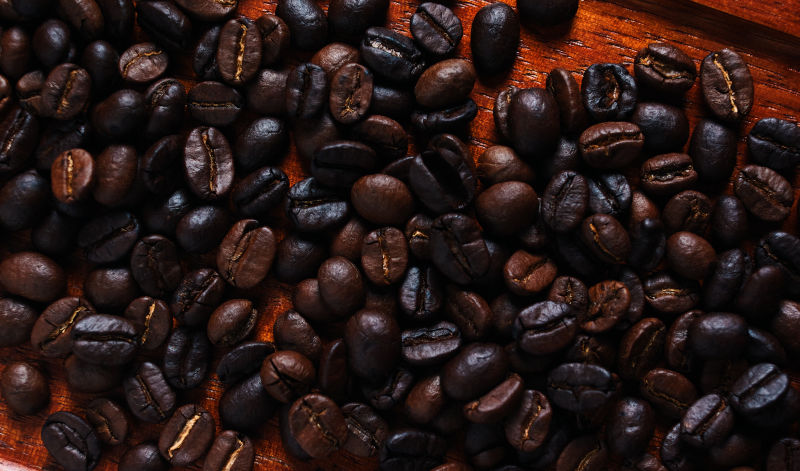
Dark roasts, also known as French or Italian roasts, are characterized by their rich, dark brown color and glossy finish, which is a result of the oils released during roasting. The beans are roasted at a higher temperature and for a longer duration, which results in a more pronounced caramelization and a deeper flavour profile.
Dark roasts have a lower acidity and a fuller body with strong and smoky notes. They often have a bittersweet taste and a long-lasting finish. Dark roasts are preferred for espresso blends and beans that can withstand high heat, such as beans from Sumatra or Brazil.
Factors that influence the taste of coffee
In addition to the degree of roasting, there are other factors that influence the taste and quality of the coffee:
- Origin of the bean: coffee beans grown in different regions have unique flavor profiles that are influenced by the soil, climate, altitude and processing methods. Beans from Central America, for example, can have citrus and nutty notes, while African beans often have fruity and floral characteristics.
- Bean type: Different types of coffee, such as Arabica and Robusta, have different flavors. Arabica beans are known for their subtle acidity and complex flavors, while Robusta beans tend to be bitter and have a higher caffeine content.
- Processing method: The way in which the coffee cherries are processed after harvesting has a major influence on the taste. Methods such as washed processing produce purer, brighter flavors, while natural or dry processing produces fruity and wine-like notes.
- Storage and freshness: Proper storage and freshness are crucial for preserving the coffee's aromas. Coffee beans should be stored in airtight containers that are protected from light, heat and moisture. Freshly roasted beans, ground just before brewing, produce the most vibrant and aromatic cup.
- Brewing method: The brewing method and parameters such as water temperature, extraction time and grind also influence the final taste. Different brewing techniques bring out different aspects of the coffee's flavor profile.
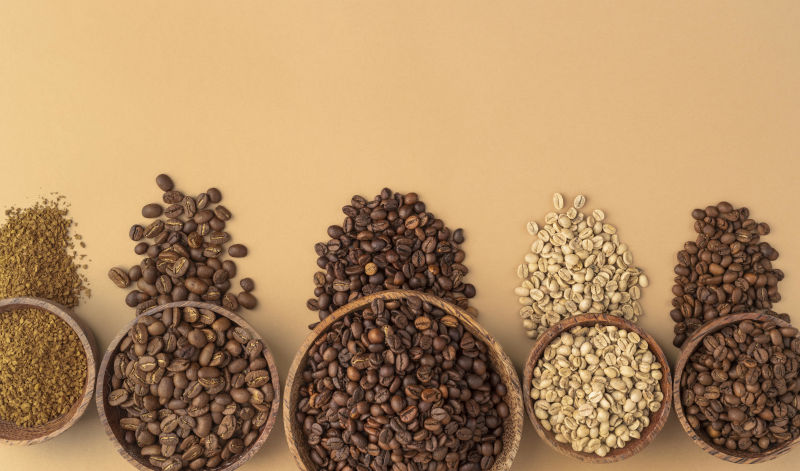
By the way: When buying coffee, it is extremely important to pay attention to the origin and correct processing. We explain why this is the case and how you can recognize really good coffee here: Why good coffee is important
The spectrum of flavors
From light to medium to dark roasts, each stage has unique characteristics that appeal to different palates. Whether you prefer the subtle acidity of a light roast, the balanced nuances of a medium roast or the bold richness of a dark roast, exploring the different roast levels can be an exciting journey for coffee lovers.
So the next time you enjoy a cup of coffee, take a moment to appreciate the craftsmanship behind the roasting of these humble beans, which opens up a world of flavors and aromas that make every sip an enjoyable experience.
Matching products to the article
About the autor:

#goteam
Some things can only be accomplished as a team. Just like this article here! That's why we mark all jointly created articles as editorial contributions. Cheers!
- Liebt: nerdy food & drinks knowledge
- Favorite drinks: Tasting packages! You can enjoy them together
- Empfehlung des Monats: Try our various food boxes
Recent articles
-
21 MarTea or coffee? A world map of hot beverage enjoyment
-
24 FebCoffee drinks from A to Z: The big encyclopedia of all coffee drinks
-
17 FebAll about table salt: Fleur de Sel, sea salt, rock salt & co. - differences, origin & use
-
07 JanDirect juice meets carbon dioxide - why PENG doesn't want to be a soft drink
-
27 AugBetween needle & nose: tattoos, dragons and bananas in a jar
-
03 JulOrange disco on the tongue: the founding story of Satoshi Spirits
-
25 JunFrom retirement project to gourmet institution: the colorful world of the Deheck distillery
-
19 JunHonest voices, real brands: buyers and their choices
-
10 MayClimbing design for children's rooms: Which materials and designs are ideal?


