 Quality instead of quantity!
 9,500 independent products
 No mainstream
 No mainstream here




Fruit wines: The aromatic alternative to classic wine

The most important facts summarized for you:
- Fruit wines are made from various fruits such as apples, pears, cherries or berries.
- Fruit wine is the oldest alcoholic drink in the world
- Fruit wines are drunk and produced in many regions of the world.
- Fruit wines can be drunk pure, but also as an ingredient in cocktails or aperitif drinks.
Who says that wine can only be made from grapes? Fruit wines are tasty proof that apples, cherries and berries also have what it takes to make a fine wine. Sometimes sweet and full-bodied, sometimes refreshingly sparkling - the range is huge. Whether as an alternative to classic wine or simply out of curiosity for new flavors, fruit wines invite you to send your palate on a fruity journey of discovery.
Buy fruit wines


What are fruit wines?
Fruit wines are alcoholic beverages that are produced through the fermentation of various fruits. In contrast to classic wine, which is made exclusively from grapes, fruit wines can be made from fruit varieties such as apples, cherries or berries. Their taste spectrum ranges from mild and sweet to intense and complex - depending on the type of fruit and the production process.
Fruit wines are among the oldest alcoholic beverages in the world - fruit such as apples, figs and dates were already being fermented in Greece in ancient times. In some cases, the fruit was mixed with honey, in others it was fermented on its own. With their long tradition and variety of flavors, fruit wines are an interesting alternative to grape wine and offer a wide range of enjoyment options.
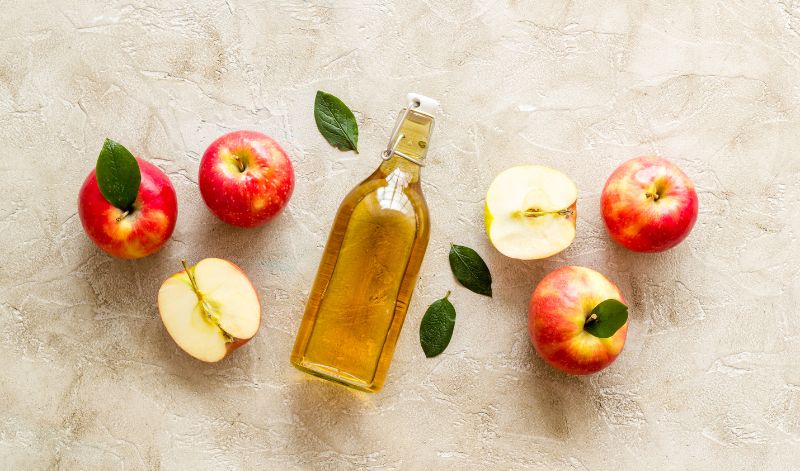
Probably the best-known fruit wine is apple wine, also known as cider
Difference to classic wine
The main difference between fruit wines and classic wines lies in the fruit base. Classic wines are produced exclusively from grapes that are known for their sugar content and acidity, which favors the fermentation process. Fruit wines, on the other hand, can be made from a wide range of fruits such as apples, pears, cherries, plums or even exotic fruits such as mango or pineapple. These fruits bring their own sugar content and characteristic aromas to the fermentation process, giving fruit wines a completely different depth of flavor.
Which fruits can be used to make fruit wines?
Fruit wines offer an impressive variety of flavors as they can be made from a wide range of fruits. Compared to classic grape wine, which relies on the sugar content and flavors of grapes, fruit wines open the door to many different flavor experiences that can vary greatly depending on the type of fruit. Here is a detailed overview of the most popular fruits used to make fruit wines:
- Apples: apple cider, also known as cider, is one of the most well-known fruit wines worldwide. Especially in Great Britain, Ireland and France, cider is offered in numerous variations - from sweet to dry and often sparkling. The apples used can consist of both sweeter and more tart varieties, which greatly influences the taste of the wine.
- Pears: Pear wine, also known as perry, is popular in countries such as the UK, France and Belgium. This wine is made from special varieties of pears and often has a lighter, fruitier taste than cider, with a pleasant sweetness and mild acidity.
- Cherries: Cherries, or sour cherries to be precise, are mainly used to make cherry wine in Central and Eastern Europe. In the Czech Republic, for example, "Třešňovka", a cherry liqueur, is widespread, but cherry wines, which can be both sweet and dry, are also very popular. Cherry wine has a deep red color and an intense, often tart taste.
- Berries: Various berries, including raspberries, strawberries, currants and blueberries, provide a wonderful basis for fruit wines. These wines are characterized by vibrant colors and fresh, fruity aromas. Berry wines are becoming increasingly popular in Scandinavian countries in particular, and are enjoyed in both sweet and dry versions.
- Plum: In countries such as Hungary and Bulgaria, plum wine is a popular choice and is often served on festive occasions or as a digestif. Compared to other fruit wines, plum wine is characterized by its full-bodied and sometimes slightly spicy taste.
- Exotic fruits: In tropical regions, there is a growing demand for fruit wines made from exotic fruits such as mango, pineapple, passion fruit and guava. These fruit wines offer an interesting combination of sweetness and acidity, which is enhanced by the tropical character of the fruit. They are particularly popular in the Caribbean, South America and some Asian countries.
- Apricots and peaches: These fruits are often found in warmer climates and can be found in fruit wines that have a delicate fruitiness and a slight acidity. Apricot wine is produced in countries such as Hungary and Armenia and is characterized by its aromatic, almost floral note.
How is fruit wine made?
The production of fruit wine follows a similar principle to wine production. First, the fruit is harvested and washed. The fruit is then crushed to release its juice. This juice is then mixed with yeast, which converts the sugar into alcohol.
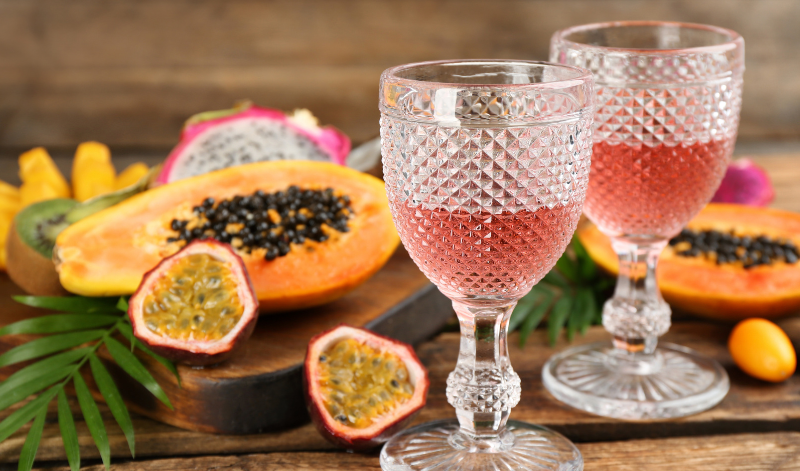
Fruit wines can also be made from tropical fruits
In contrast to wine, which often involves additional steps such as pressing and fermentation under controlled temperatures, the production of fruit wines is often less complex. In some cases , sugar can also be added to enhance the fermentation process or increase the alcohol content. After fermentation, the fruit wine is filtered and matured before being bottled.
Is mead wine also a fruit wine?
Mead, also known as honey wine, is not a classic fruit wine, although it undergoes a similar production process. Mead is made by fermenting honey and water, often with the addition of spices or fruit. So while mead is also a type of "fermented" wine, it is made from honey and not fruit, which is why it does not fall into the fruit wine category.
Are fruit wines wines or spirits?
Fruit wines are real wines, as they are produced- just like classic grape wine - by fermenting sugar into alcohol. The decisive difference lies in the original fruit: While traditional wine is made exclusively from grapes, fruit wines can be made from apples, cherries, berries or even exotic fruits.
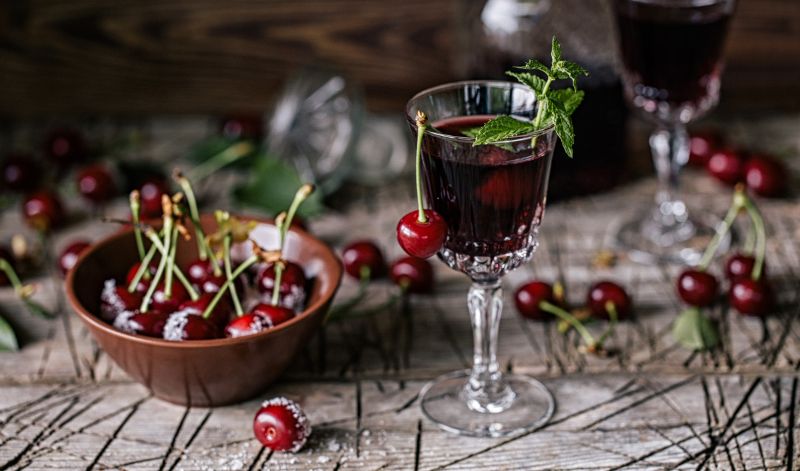
Cherry wine is usually made from sour cherries
Spirits, on the other hand, are distilled, which is not the case with fruit wines. Drinks such as plum brandy (e.g. Slivovitz) or cherry brandy are produced by distillation and are therefore classed as spirits. Fruit wines, on the other hand, remain - regardless of their fruit base - in the category of wines and, just like grape wine, can be enjoyed in different variations from sweet to dry.
How can you drink fruit wine?
Fruit wines can be enjoyed in different ways. They can be enjoyed on their own or in cocktails. They are often a refreshing alternative to normal wines and are ideal for hot summer days. Depending on the variety, fruit wines can be served chilled or at room temperature. They go particularly well with light dishes such as salads, fish dishes or grilled meat. Fruit wines also harmonize perfectly with desserts such as fruit cake or chocolate mousse.
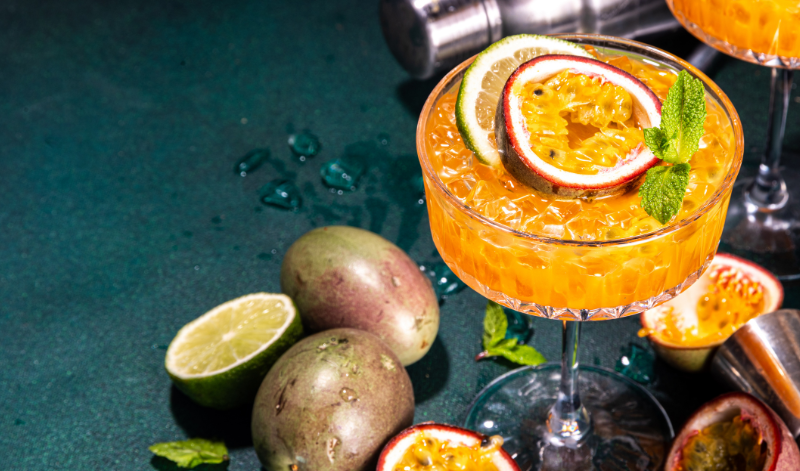
Depending on the variety, fruit wines can be served chilled or at room temperature
Fruit wines offer a wide range of flavors and possibilities for creative enjoyment experiences. Whether as a sparkling cider or an intense cherry wine - fruit wines open up an exciting world for anyone who wants to leave classic wine behind.
Matching products to the article
About the autor:

#goteam
Some things can only be accomplished as a team. Just like this article here! That's why we mark all jointly created articles as editorial contributions. Cheers!
- Liebt: nerdy food & drinks knowledge
- Favorite drinks: Tasting packages! You can enjoy them together
- Empfehlung des Monats: Try our various food boxes
Recent articles
-
01 JulRare Teas as Collectibles: What Connoisseurs Appreciate
-
28 JunVintage Lamps as an Interior Design Trend
-
25 JunHausberg Single Malt Whiskey for Collectors and Connoisseurs—the second cask has arrived!
-
21 MarTea or coffee? A world map of hot beverage enjoyment
-
24 FebCoffee drinks from A to Z: The big encyclopedia of all coffee drinks
-
17 FebAll about table salt: Fleur de Sel, sea salt, rock salt & co. - differences, origin & use
-
07 JanDirect juice meets carbon dioxide - why PENG doesn't want to be a soft drink
-
27 AugBetween needle & nose: tattoos, dragons and bananas in a jar
-
03 JulOrange disco on the tongue: the founding story of Satoshi Spirits


