 Quality instead of quantity!
 9,500 independent products
 No mainstream
 No mainstream here




Spirulina and chlorella: natural superfoods?

The most important facts summarized for you:
- Spirulina and chlorella are nutrient-rich microalgae that are known as superfoods and contain a variety of nutrients and proteins.
- They have been known as rich foods for several centuries - but their current popularity originated in the 1950s and 60s.
- Spirulina and chlorella are said to have numerous health benefits due to their composition, although these have not yet been proven.
- They are cultivated in special water basins to ensure high quality and purity.
Superfoods and dietary supplements are no longer a marginal phenomenon - they have become an integral part of the modern diet. If you want to provide your body with an optimal supply of nutrients, you can hardly avoid natural powerhouses such as spirulina and chlorella. These microalgae are full of valuable ingredients and have been valued in the health and fitness world for decades. Whether as a detox helper, source of protein or daily boost - these little green all-rounders supposedly have a lot to offer. But is that really the case? We took a closer look at the two superfoods.
Buying food supplements

- Manufacturer: Vetain

- Manufacturer: Vetain

- Manufacturer: Vetain

- Manufacturer: Vetain

- Manufacturer: Lykaia Nutrition
- Flavor: neutral, creamy

- Manufacturer: JARMINO
- Flavor: tasteless

- Manufacturer: Vetain

- Manufacturer: Vetain

- Manufacturer: Vetain

- Manufacturer: JARMINO
- Flavor: subtle almond note

- Manufacturer: JARMINO

- Manufacturer: Lykaia Nutrition
- Flavor: neutral, creamy

- Manufacturer: Hempions
- Flavor: nutty-earthy

- Manufacturer: Vetain

- Manufacturer: Vetain
What are spirulina and chlorella?
Spirulina and chlorella are often lumped together and casually referred to as "microalgae". However, the two substances are fundamentally different: chlorella is actually a single-celled, spherical algae. Spirulina, on the other hand, is not an algae at all , but a so-called cyanobacterium, which - unlike chlorella - consists of several cells. However, both are usually offered as food supplements.
Spirulina and chlorella were researched as possible food sources in the 1950s and 60s and became increasingly well-known in the following years, especially in naturopathy and later also in the health and fitness industry. While chlorella was discovered in the 1950s and investigated as a possible solution to food shortages, spirulina has been known as a food for much longer: The cyanobacterium, which grows in highly alkaline waters, was already harvested by the Atztecs in what is now Mexico and used in rich dishes cooked primarily for travelers.
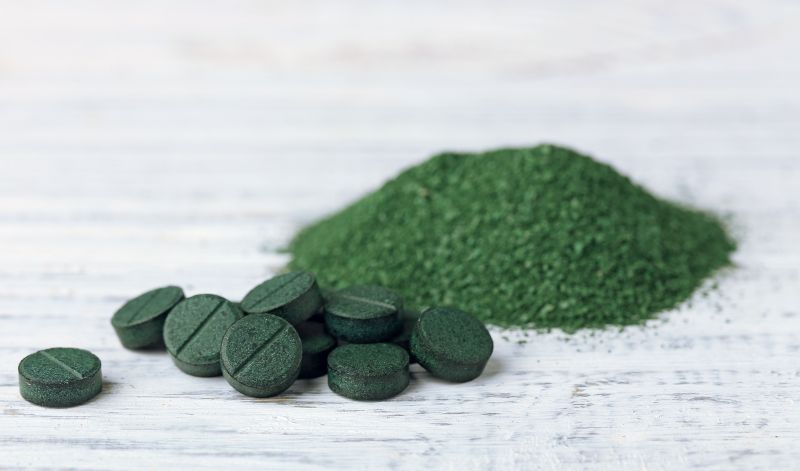
Chlorella & spirulina are regarded as supposed superfoods - and are usually offered in powder form or as capsules.
Cultivation
Spirulina and chlorella are cultivated professionally in special water tanks under controlled conditions to ensure a high level of purity. Spirulina thrives in warm alkaline waters, while chlorella is freshwater-based. The controlled environment is designed to ensure that the algae remain free of pollutants and contaminants, which should preserve their quality and nutrient density.
However, caution is advised - due to the high demand, supposedly cheap offers may be from dubious producers who do not pay attention to the purity of the product. This can lead to high levels of harmful substances. Therefore, always obtain your spirulina and chlorella preparations from reputable suppliers, preferably in controlled organic quality.
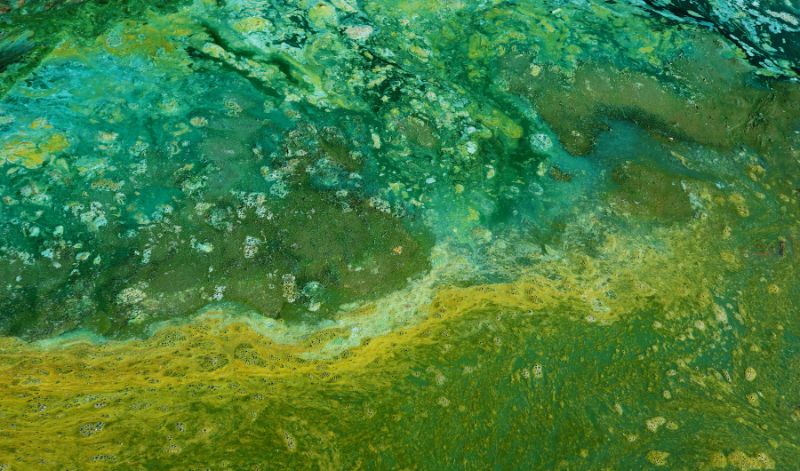
This is what a cyanobacteria culture looks like.
Do chlorella and spirulina have health benefits?
Both spirulina and chlorella are considered true superfoods with numerous positive effects due to their composition. However, the health-promoting effects of the two food supplements have only been insufficiently researched.
Spirulina
Animal studies have shown that spirulina can strengthen the immune system and have a positive effect on the intestinal flora - however, there is still no scientific evidence of its effectiveness in humans. The so-called microalgae, which strictly speaking is not an algae at all, has a relatively high protein content, which is why spirulina is often taken to support protein intake.
Spirulina is also often praised for its high vitamin B12 content and is therefore advertised as an essential dietary supplement for a vegan or vegetarian diet. However, the majority of the vitamin B12 it contains cannot be utilized by the human body. The cyanobacterium is therefore not really suitable as a source of nutrients for vegetarians and vegans. However, spirulina can certainly be seen as a supplementary source of protein in addition to the normal diet.
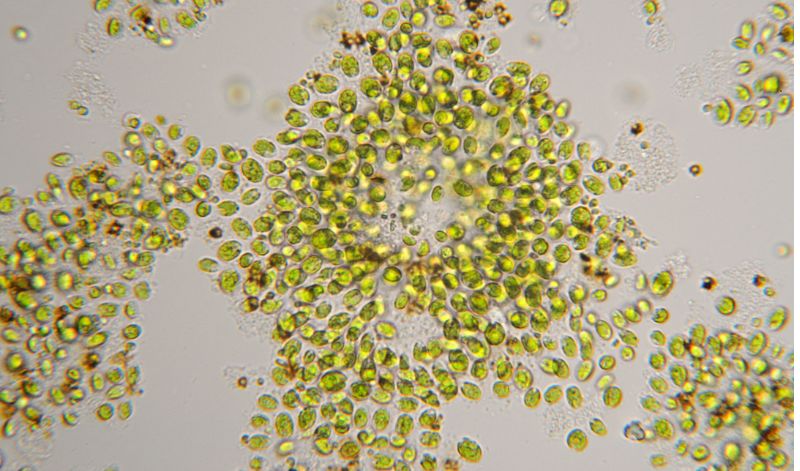
Under the microscope you can see the spherical structure of chlorella - and its rather thick cell membrane.
Chlorella
Chlorella algae are also said to have countless miraculous effects. And chlorella does indeed have a promising list of ingredients: a high protein content, all essential amino acids, important minerals and even vitamin B12 that can be utilized by the human body. However, measured against the maximum daily dose that should be consumed, the yield of chlorella is relatively low - and really only suitable for supporting the intake of additional nutrients.
With regard to the supposed detoxifying effect of chlorella, it can be said that the algae actually has the ability to bind heavy metals due to its cell membrane - but whether this is also the case in the human body has not yet been sufficiently researched. The same applies to its supposed regulating effects on infections, the immune system, diabetes or even cancer. In studies with animals or in test tubes, indications of possible positive effects have been found - but these have not yet been proven in humans.
Use of spirulina & chlorella
Spirulina and chlorella are available in powder, tablet or capsule form. They can be integrated into everyday life in a variety of ways:
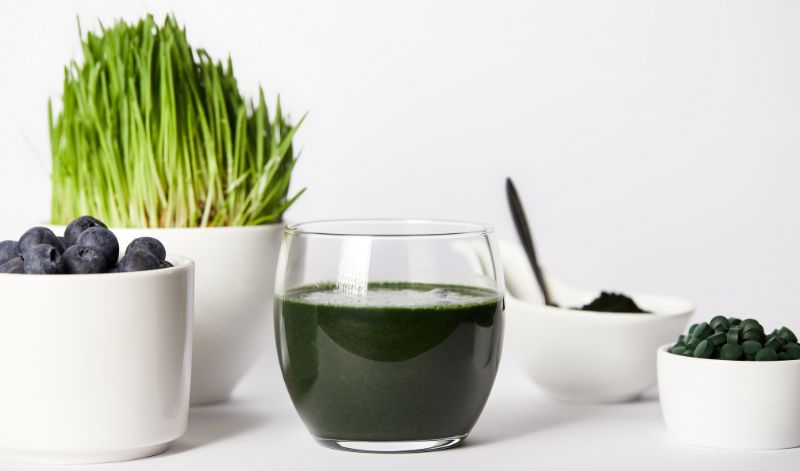
Spirulina and chlorella can be used in juices and smoothies, as well as in sauces or for yogurt and muesli.
- Smoothies and juices: A teaspoon of spirulina or chlorella powder can add a nutrient-rich supplement to drinks.
- Yoghurt and muesli: The powder can be stirred into breakfast dishes.
- Soups and sauces: A small amount of spirulina or chlorella can be mixed into hot dishes to increase the nutrient or protein content.
- Energy and protein bars: Spirulina is often added to healthy snacks.
- Capsules and tablets: A convenient way to enjoy the nutritional benefits of spirulina and chlorella without the taste impact.
- Salads: Spirulina powder can be sprinkled on salads to provide a protein-rich topping.
Both the cyanobacterium spirulina and the spherical chlorella algae offer a natural way to provide the body with an additional source of nutrients and protein. However, as with all food supplements, the ingredients of the two powders are not sufficient to cover the daily requirement of vitamins, minerals and co. So if you use spirulina or chlorella, see them as a small, additional boost rather than a main source of nutrition.
Matching products to the article
About the autor:

#goteam
Some things can only be accomplished as a team. Just like this article here! That's why we mark all jointly created articles as editorial contributions. Cheers!
- Liebt: nerdy food & drinks knowledge
- Favorite drinks: Tasting packages! You can enjoy them together
- Empfehlung des Monats: Try our various food boxes
Recent articles
-
28 JunVintage Lamps as an Interior Design Trend
-
25 JunHausberg Single Malt Whiskey for Collectors and Connoisseurs—the second cask has arrived!
-
21 MarTea or coffee? A world map of hot beverage enjoyment
-
24 FebCoffee drinks from A to Z: The big encyclopedia of all coffee drinks
-
17 FebAll about table salt: Fleur de Sel, sea salt, rock salt & co. - differences, origin & use
-
07 JanDirect juice meets carbon dioxide - why PENG doesn't want to be a soft drink
-
27 AugBetween needle & nose: tattoos, dragons and bananas in a jar
-
03 JulOrange disco on the tongue: the founding story of Satoshi Spirits
-
25 JunFrom retirement project to gourmet institution: the colorful world of the Deheck distillery


