 Quality instead of quantity!
 9,500 independent products
 No mainstream
 No mainstream here




The art of home brewing: an overview for beginners

The most important facts summarized for you
- Homebrewing requires patience and precision - and a lot of cleaning time
- Choosing the right ingredients and equipment is crucial for success
- There are different brewing techniques that can be adapted according to taste and preference
- With a little practice and the right tips, anyone can brew their own beer at home
- For your very first brew, you should follow a brewing guide very closely, without experimenting, to familiarize yourself with the process and the grips. You can find plenty of good brewing instructions on the internet
Brewing beer at home? Sounds like a mixture of science, witchcraft and a real patience project - and it is! But with the right ingredients, a little know-how and a bit of passion, you can create your own individual beer. So grab a brewing kettle, because it's time to become a master brewer!
Buy beer & craft beer online to enjoy smaller brews instead of mass bottling

- Manufacturer: Tyrell BrauKunstAtelier
- Beer style: Imperial season

- Manufacturer: Topling Goliath Brewing Company
- Beer style: Imperial Stout

- Manufacturer: Troon Brewing
- Beer style: Double IPA

- Manufacturer: Side Project Brewing
- Beer style: Barley Wine

- Manufacturer: Troon Brewing
- Beer style: Double IPA

- Manufacturer: Brewery Hertl
- Beer style: Light

- Manufacturer: Brewery Hertl
- Beer style: Craft beer tasting set

- Manufacturer: Brewery Hertl
- Beer style: Craft beer tasting set

- Manufacturer: Brewery Hertl
- Beer style: Gose


- Manufacturer: Brewery Hertl
- Beer style: Kellerbier

- Manufacturer: Black Forest Brewing
- Beer style: India Pale Ale

- Manufacturer: Black Forest Brewing
- Beer style: India Pale Ale

- Manufacturer: Wacken brewery
- Beer style: Craft beer tasting set

- Manufacturer: Brewery Hertl
- Beer style: Wheat beer

- Manufacturer: Brewery Nittenau
- Beer style: Non-alcoholic beer

- Manufacturer: Brewery Nittenau
- Beer style: Wit

- Manufacturer: Brewery Nittenau
- Beer style: Craft beer tasting set


- Manufacturer: Singhbräu
- Beer style: Craft beer tasting set
The basics of home brewing
Before you start brewing, it's important to understand the basics. Here are the most important steps in the brewing process explained briefly and concisely:
- Prepare ingredients: The main ingredients for beer are water, malt, hops and yeast. Make sure to use high quality ingredients to get a good end product.
- Mashing: Mashing is the process of mixing the malt with hot water to convert the starch into sugar. This process usually takes about an hour.
- Lautering: After mashing, the liquid, called wort, is separated from the solid malt. This is done by filtering or straining.
- Boiling: The wort is then boiled and hops are added to impart flavor and aroma to the beer. This step usually takes around 60 to 90 minutes.
- Cooling and fermentation: After boiling, the wort is quickly cooled and yeast is added to start fermentation. This process usually takes one to two weeks.
- Bottling and maturing: After fermentation, the beer is bottled or kegged and aged for a few weeks to enhance the flavor.
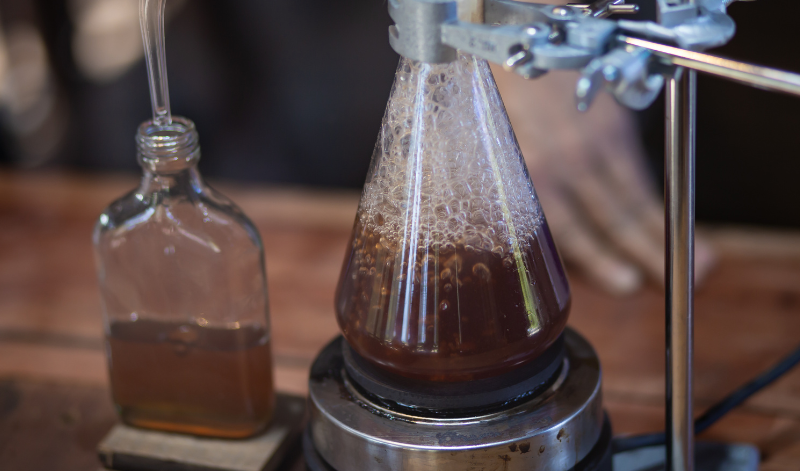
Brewing beer at home is not difficult at all. You just need the right equipment.
Tips and tricks for beginners
Here are some useful tips and tricks to help you get started with homebrewing:
- Cleanliness is key: make sure all equipment and utensils you use are thoroughly cleaned and sanitized. This prevents unwanted bacteria and microorganisms from spoiling your beer.
- Be patient: Brewing beer requires patience. Let the fermentation process take its time and resist the temptation to taste the beer too soon.
- Experiment with recipes: There are many different beer recipes that you can try out. Experiment with different malts and hops to create your own unique flavor.
- Take notes: Keep a brewing journal in which you write down all the steps and ingredients. This will help you improve the brewing process and repeat successful recipes (really helps).
- Use online resources: There are many online resources and communities that can help you with homebrewing. Use forums, blogs and videos to get tips and advice from experienced brewers. Many topics have already been discussed in detail and you will quickly find many answers to your questions.
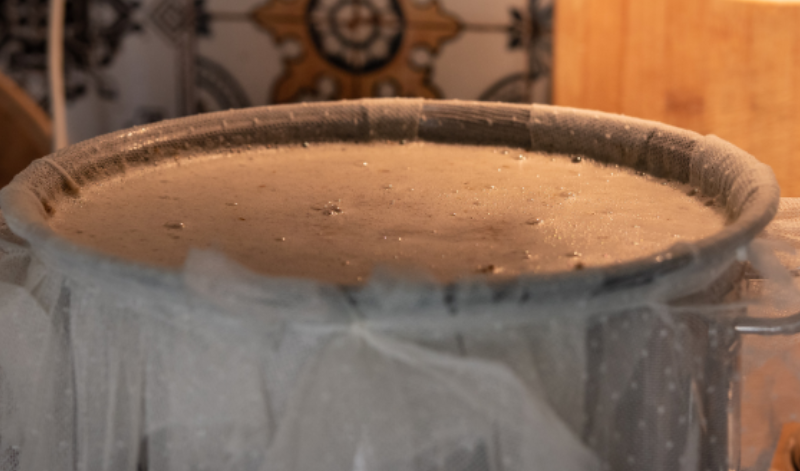
If you want to brew beer at home, the first thing you need to pay attention to is cleanliness
Necessary equipment for brewing at home
To brew beer successfully, you need some basic utensils. These include a brewing kettle or a large pot for heating the mash and boiling the wort, as well as a fermentation vessel with fermentation tubes in which the beer can ferment and the resulting CO2 can escape. A thermometer is essential to keep an eye on the mash and fermentation temperature, while a lauter tun or sieve is required to separate the malt from the wort.
A hydrometer is used to determine the sugar content and estimate the alcohol content. Bottles or barrels with suitable closures are required for storing the finished beer. Hygiene is also particularly important: without suitable cleaning agents, germs and bacteria can spoil the beer.

You can experiment with many different recipes when homebrewing
Where can you get the right ingredients?
- Online stores: There are many specialized homebrew retailers with a huge selection of malt, hops and yeast.
- Local brew stores: Some larger cities have homebrewing stores with personal advice.
- Supermarket: You can also buy sugar, honey or spices for experimental beers in normal shops.
- Direct from the farmer: Some hop and grain merchants sell to hobby brewers.
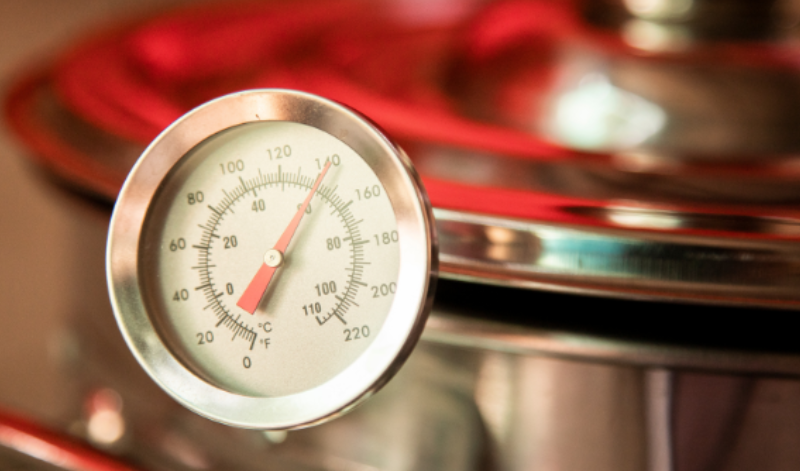
The fermentation process is the most time-consuming step in homebrewing
The right choice of ingredients
- Malt: Basic malts such as Pilsner or Pale Ale are ideal for beginners. Special malts provide color and flavor.
- Hops: Bitter hops provide the bitter taste, aroma hops provide fruity, floral or spicy notes.
- Yeast: Top-fermented (ale) or bottom-fermented (lager)? Dry yeast is easier for beginners, liquid yeast allows more variation.
- Water: Yes, that counts too! Soft water is suitable for light beers, hard water for dark varieties.
The art of home brewing is a fascinating hobby that requires patience, precision and later creativity. With the right ingredients, equipment and techniques, anyone can brew their own beer at home. Give it a try and discover the joy of brewing!
Matching products to the article
About the autor:

#goteam
Some things can only be accomplished as a team. Just like this article here! That's why we mark all jointly created articles as editorial contributions. Cheers!
- Liebt: nerdy food & drinks knowledge
- Favorite drinks: Tasting packages! You can enjoy them together
- Empfehlung des Monats: Try our various food boxes
Recent articles
-
18 JulFrom Whiskey to Delicatessen to Coffee: Why Some Gifts Are Still Remembered Years Later
-
28 JunVintage Lamps as an Interior Design Trend
-
25 JunHausberg Single Malt Whiskey for Collectors and Connoisseurs—the second cask has arrived!
-
21 MarTea or coffee? A world map of hot beverage enjoyment
-
24 FebCoffee drinks from A to Z: The big encyclopedia of all coffee drinks
-
17 FebAll about table salt: Fleur de Sel, sea salt, rock salt & co. - differences, origin & use
-
07 JanDirect juice meets carbon dioxide - why PENG doesn't want to be a soft drink
-
27 AugBetween needle & nose: tattoos, dragons and bananas in a jar
-
03 JulOrange disco on the tongue: the founding story of Satoshi Spirits


