 Quality instead of quantity!
 9,500 independent products
 No mainstream
 No mainstream here




The most popular spices from around the world

The most important facts summarized for you:
- Depending on the culinary region, different spices are used to achieve different flavors
- Intense spices are used in Asia
- In the Middle East, spices are often responsible for fragrant, spicy and slightly sweet flavors
- In Europe, the preference for spices varies greatly by region
- In Africa, the focus is on pungency and spicy strength
- In South America, spices provide spicy and smoky-earthy flavors
Buying spices

- Style: Herbal mixture
- Flavor: Classic green sauce Herbs

- Style: Oregano
- Flavor: Intensely spicy, Mediterranean herbal

- Style: Pesto
- Flavor: delicately spicy, earthy, truffle, mushrooms

- Style: Herbal salt
- Flavor: Salt, herbs

- Style: Pesto
- Flavor: earthy, porcini mushrooms, truffle

- Style: Sage
- Flavor: Intensely spicy, Mediterranean herbal

- Style: Thyme
- Flavor: Intensely spicy, Mediterranean herbal

- Style: Truffle cream
- Flavor: creamy, truffle, cheese

- Style: Pepper
- Flavor: Fruity citrus notes, mango, slightly numbing spiciness

- Style: Cinnamon
- Flavor: soft, mild, spicy-sweet

- Style: Olive leaf
- Flavor: fresh, Mediterranean, herbaceous, intense bitters

- Style: Rosemary
- Flavor: Intense spice, woody pine notes

- Style: Oregano
- Flavor: intense aroma

- Style: Pepper
- Flavor: fresh, citrus notes, tingling sharpness

- Style: Thyme
- Flavor: Intensely aromatic
Spices are essential components of global cuisine. They lend dishes unique aromas, colors and depths of flavor. Every culinary region has its own characteristic spices that make its dishes unmistakable. Here is an overview of the most popular spices in different regions of the world as well as tips on how to store them correctly.
Asia
Asian cuisine is known for its complex flavors and intense spice blends. Especially in countries such as India, China, Thailand and Japan, spices play a central role in the preparation of curries, soups and wok dishes.
1. turmeric
- Taste: Earthy, slightly bitter note with a hint of ginger
- Appearance: Yellow powder
- Use: Curries, rice dishes, soups
Buy turmeric here
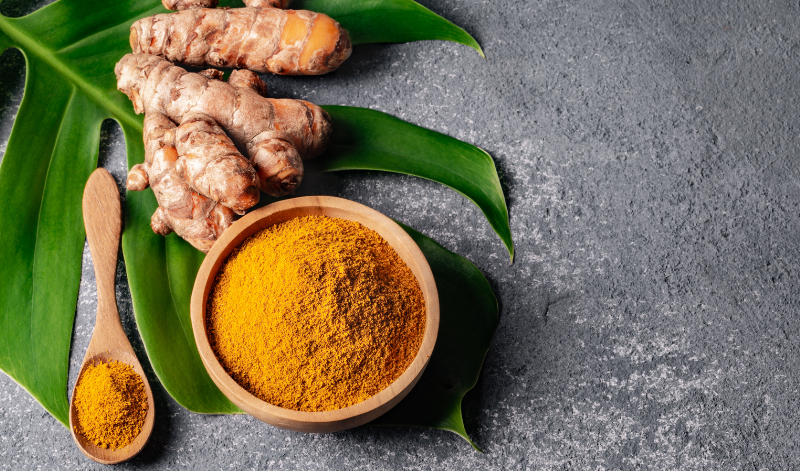
When dosing, remember that fresh spices usually have a more intense flavor than dried ones
Star anise
- Taste: Intensely licorice-like, slightly sweet
- Appearance: Star-shaped, brown fruit
- Use: Chinese five-spice blend, tea, soups
Buy star anise here
3. cardamom
- Taste: Sweet and spicy with a light citrus note
- Appearance: Small, green or black capsules
- Use: Chai tea, curries, pastries
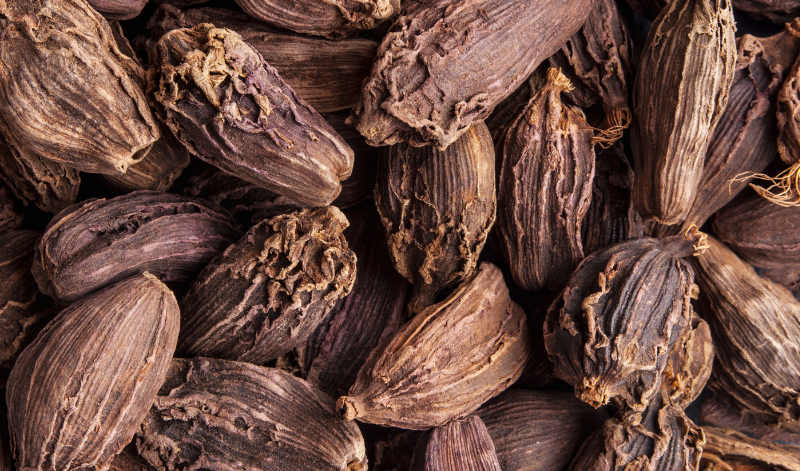
Black cardamom adds depth & complexity to dishes
Middle East
Middle Eastern cuisine is characterized by its fragrant, often spicy and slightly sweet notes. Blends of spices and fermented ingredients play a major role in traditional dishes such as hummus, falafel and lamb dishes.
1. zataar
- Taste: Hearty, nutty with a hint of lemon
- Appearance: Greenish spice powder
- Use: Flatbread, salads, dips
- Spice mix - consists of: Thyme, sesame, sumac, salt
2. sumac
- Taste: Sour, fruity
- Appearance: Dark red powder
- Use: Marinades, meat dishes, salads
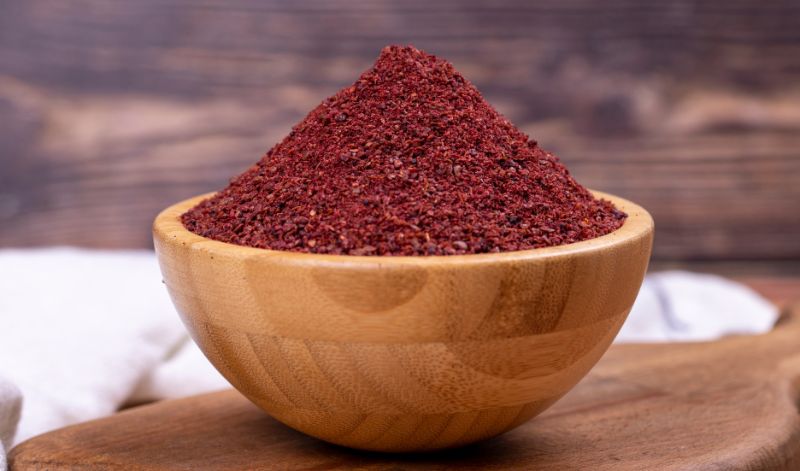
Sumac is mainly used for marinades and meat dishes in the Middle East.
3. cinnamon
- Taste: Sweetish, warm, slightly spicy
- Appearance: Brown bark, powder
- Uses: Desserts, coffee, lamb dishes
Buy cinnamon here
Europe
In Europe, spice preferences vary greatly depending on the region. While Mediterranean herbs dominate in southern countries such as Spain and Italy, northern countries rely more on warming spices and peppers.
1. paprika
- Taste: Mild to hot, depending on the variety
- Appearance: Red powder
- Use: Goulash, stews, marinades
Buy paprika powder here
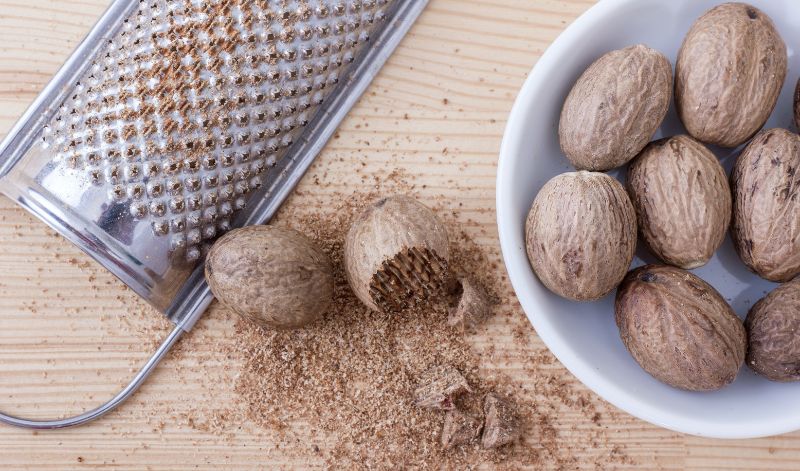
Nutmeg brings warm and sweet, nutty flavors to dishes
2. nutmeg
- Taste: Warm, slightly sweet, nutty
- Appearance: Small, brown nut
- Use: Mashed potatoes, béchamel sauce, pastries
3. juniper berries
- Taste: Tart, woody, slightly bitter
- Appearance: Small, blue-black berries
- Use: Game dishes, sauerkraut, gin
Buy juniper berries here
Africa
African cuisine is characterized by intense heat, spicy blends and strong aromas. Spice blends such as ras el hanout are particularly widespread in North Africa, while chillies play a central role in West Africa.
1. berbere
- Taste: Hot, spicy, slightly smoky
- Appearance: Red spice mixture
- Use: Stews, meat dishes
- Spice mix - consists of: Chili, garlic, ginger, fennel, coriander, allspice
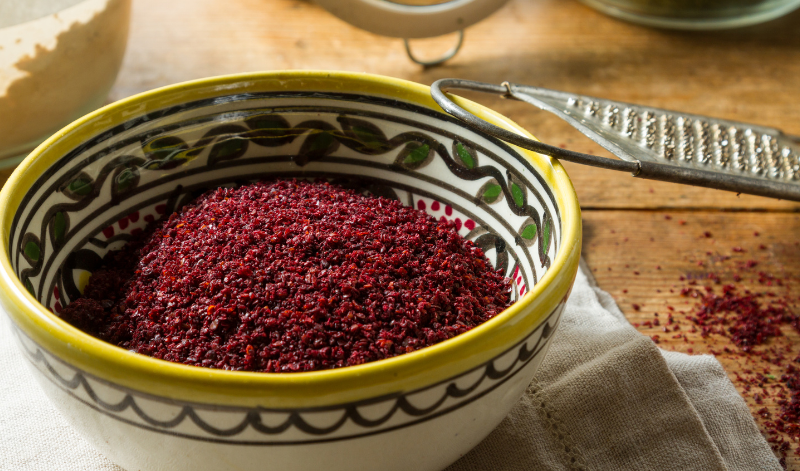
Exotic spices such as berbere are now used all over the world
2. ras el hanout
- Taste: Complex, spicy, slightly sweet
- Appearance: Yellowish-brown mixture
- Use: Tajine, rice dishes, meat
- Spice mix - consists of: Turmeric, cinnamon, cardamom, nutmeg, ginger, cloves, pepper
Buy Ras el Hanout and other spice blends here
3. cloves
- Taste: Intense, warm, slightly bitter
- Appearance: Small, brown buds
- Use: Tea, meat dishes, pastries
Latin America
Latin American cuisine is known for its spicy, earthy and smoky flavors. Spices such as cumin and coriander are essential for dishes such as tacos, mole and ceviche.
1. coriander seeds
- Taste: Warm, slightly sweet with a citrus note
- Appearance: Small, round seeds
- Use: Salsas, stews, meat dishes
Buy coriander seeds here
2. cumin
- Taste: Earthy, slightly bitter note
- Appearance: Small, brown seeds
- Use: Tacos, chili, meat dishes
Buy cumin here
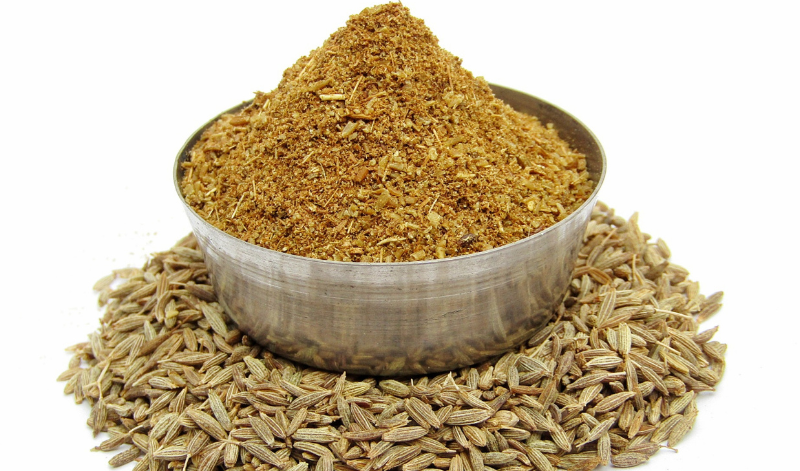
Cumin has a strong & spicy flavor
3. achiote (annatto)
- Taste: Slightly peppery, earthy
- Appearance: Red seeds
- Use: Rice dishes, marinades, meat dishes
Must-have spices for every kitchen
No matter which cuisine you prefer, some spices should be in every pantry:
- Salt and pepper (basic base for almost every dish)
- Paprika (versatile in European and Latin American dishes)
- Cumin (essential for Latin American and Asian cuisine)
- Cinnamon (ideal for sweet and savory dishes)
- Turmeric (for curries and healthy additives)
Differences between spices and herbs
Spices and herbs are often confused. The main difference lies in their origin:
- Spices come from the seeds, barks, roots or fruits of plants (e.g. pepper, nutmeg, cloves).
- Herbs are the leaves of plants (e.g. basil, oregano, thyme).
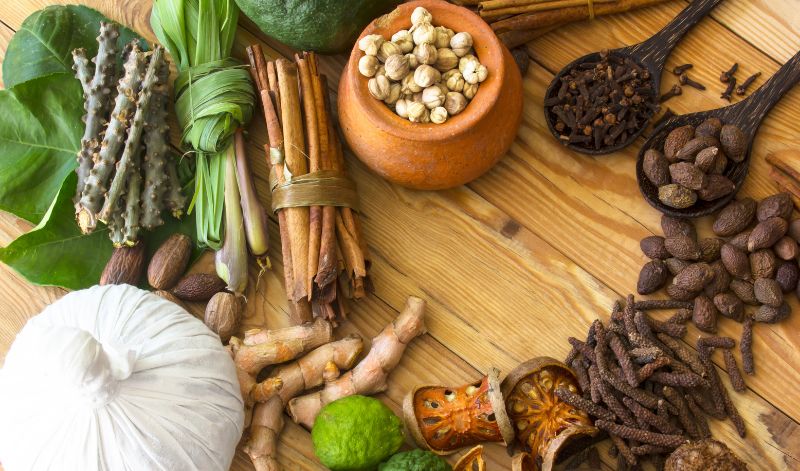
While herbs are made from leaves, spices are usually made from the bark, seeds or roots of plants.
Tips for storing spices correctly
- Light protection: Store spices in dark, airtight containers.
- Temperature control: Cool, dry places are ideal.
- Preserve freshness: Ground spices will keep for approx. 1 year, whole spices for up to 3 years.
- No moisture: Do not store above steaming pots, as moisture impairs quality.
With this information, every kitchen can be aromatically enhanced. Which spices are indispensable in your kitchen?
Matching products to the article
About the autor:

#goteam
Some things can only be accomplished as a team. Just like this article here! That's why we mark all jointly created articles as editorial contributions. Cheers!
- Liebt: nerdy food & drinks knowledge
- Favorite drinks: Tasting packages! You can enjoy them together
- Empfehlung des Monats: Try our various food boxes
Recent articles
-
21 MarTea or coffee? A world map of hot beverage enjoyment
-
24 FebCoffee drinks from A to Z: The big encyclopedia of all coffee drinks
-
17 FebAll about table salt: Fleur de Sel, sea salt, rock salt & co. - differences, origin & use
-
07 JanDirect juice meets carbon dioxide - why PENG doesn't want to be a soft drink
-
27 AugBetween needle & nose: tattoos, dragons and bananas in a jar
-
03 JulOrange disco on the tongue: the founding story of Satoshi Spirits
-
25 JunFrom retirement project to gourmet institution: the colorful world of the Deheck distillery
-
19 JunHonest voices, real brands: buyers and their choices
-
10 MayClimbing design for children's rooms: Which materials and designs are ideal?


