 Quality instead of quantity!
 9,500 independent products
 No mainstream
 No mainstream here




Schnapps - The world of spirits is so multifaceted

Some phrases are pretty garbage. This one is one of them: "Service is service. And schnapps is schnapps." Even if the saying is only intended to illustrate the difference between work and pleasure: Schnapps is never the same as schnapps. But what exactly are the differences between the various spirits commonly referred to as schnapps?
According to EU regulations, they all have a minimum alcohol content of 15 percent and a maximum of 80 percent. Schnapps is therefore an umbrella term for the most diverse types of alcoholic beverages - from gin and vodka to whisky, rum, limoncello and tequila. The system behind it is quite logical, we explain it.
What exactly is schnapps?
The term schnapps is probably derived from the Low German word "schnappen" and refers to the fact that schnapps is usually drunk in one swift gulp from a small glass. This is also where the term "Kurzer" or "Shot" comes from.
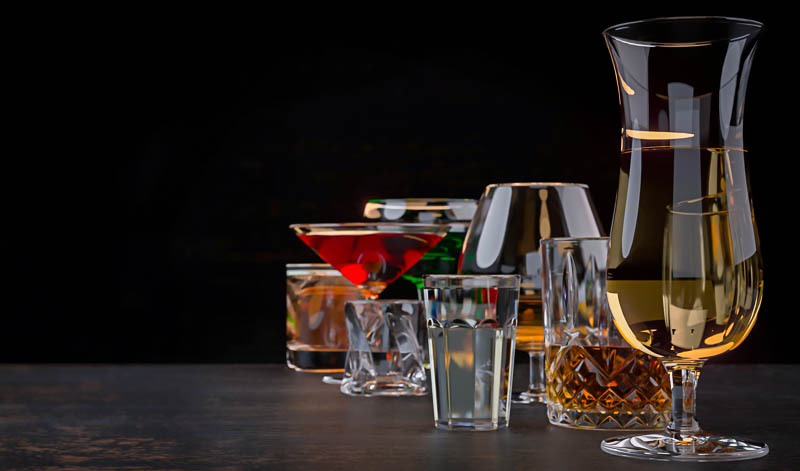
Schnapps is another word for spirits and stands for alcoholic drinks with at least 15 % vol. alcohol.
However, the colloquial term schnapps actually stands for spirit drink, which means "spirituous beverage" and is defined in the EU as an "alcoholic liquid intended for human consumption". It must have a minimum alcohol content of 15 percent by volume. Beer, wine and sparkling wine are therefore not included.
Schnapps is subject to its own alcohol tax and may not be sold to young people under the age of 18 in Germany. The formerly common generic name "Branntwein" for schnapps has no longer existed since 2017, but still applies to spirits distilled from wine (more on this below).
How is schnapps produced?
In principle, schnapps is first produced either by fermenting sugary solutions of grain or fruit, or mash, or by soaking fruit and berries in alcohol (maceration). This step is followed by a single or multiple distillation, often referred to as distillation.
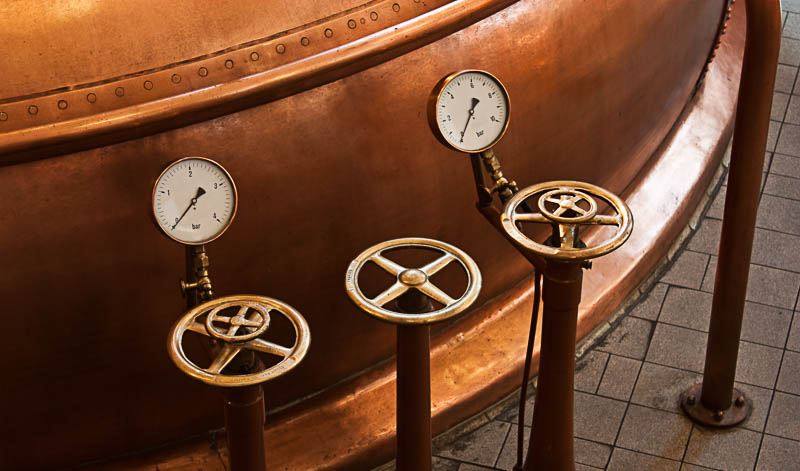
Before a schnapps can be distilled, the corresponding ingredient must either be mashed or macerated.
With some schnapps, such as rum, whisky, brandy or calvados, the distillate obtained is partly stored in wooden barrels for further maturation - which gives it its brownish coloration and complex aroma. The alcohol content is regulated by adding water, depending on the type of schnapps. The addition of plant extracts during distillation is also expressly permitted for some types of schnapps - but not for others.
In general, a distinction is made between two distillation products for schnapps:
- Brandies or waters: from fermented mashes of the respective fruits, which must contain sufficient sugar. The resulting alcoholic liquid is distilled immediately afterwards.
- Spirits: made from crushed, unfermented fruit that is macerated in high-proof neutral alcohol. This technique is necessary for aromatic fruits that contain too little sugar of their own.
Incidentally, the neutral alcohol used to make schnapps is always of agricultural origin and is therefore also known as agricultural alcohol. It is virtually free of flavorings and is therefore suitable for both maceration and targeted flavoring. Neutral alcohol can stop the fermentation process or be used to increase the alcohol content.
All types of schnapps at a glance
Brandy: schnapps made from wine
Brandy is the name still used for any schnapps distilled from wine. A classic example is brandy, which is distilled from a comparatively acidic wine.
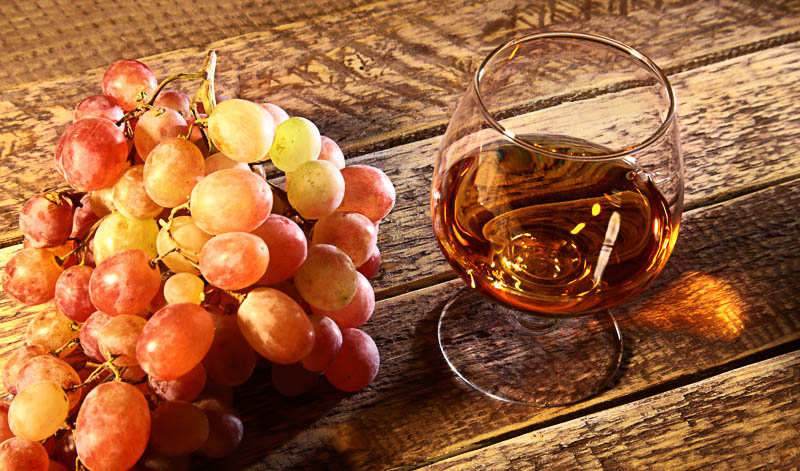
Eaux-de-vie and brandy are made from wine.
Brandy gets its shimmering golden color and slightly smoky note from being stored in oak barrels. The Spirits Ordinance stipulates an alcohol content of at least 36% by volume for this spirit.
The same category of schnapps includes:
- Cognac (protected French designation of origin)
- Armagnac (also protected for France)
- Brandy (brandy preferably from Spain)
- Pisco (very popular schnapps in Peru and Chile)
Grappa, marc and co.: schnapps made from "grape residue"
The "grape residue" left over from wine production, i.e. mainly seeds and skins, is known as pomace - and is used for further distillation, resulting in pomace brandy. This schnapps can be drunk straight away, but can also be stored further, which gives it greater depth of flavor. Pomace brandy contains at least 37.5% alcohol by volume.
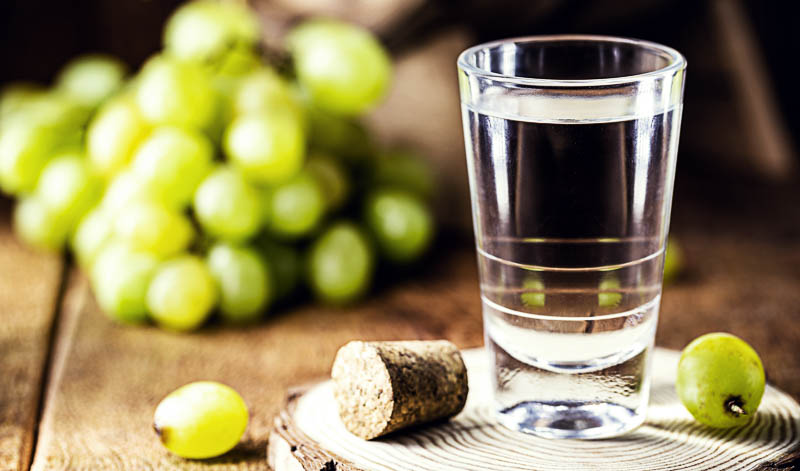
Grape marc brandies are made from the remains of wine production.
All types of grappa and marc:
- Grappa (protected Italian designation of origin)
- Marc (protected French designation of origin)
- Tsikoudia (Raki) or Tsipouro (Greece)
- Orujo (Spain)
Fruit brandy: schnapps with a fruity foundation
A fruit brandy is usually made from fresh fruit through alcoholic fermentation and subsequent distillation. The quality of the brandy is therefore very much dependent on the quality of the fruit.

Like whisky and rum, fruit brandies can also be stored in barrels and acquire a brownish color.
An exception to the production process is French Calvados, which is distilled from the must fermented into fruit wine. If you want to find out more about the French apple brandy, you should read this article here: What is Calvados
Fruit brandy is also known synonymously as fruit water or fruit schnapps and always contains 37.5% or more alcohol by volume.
Overview of various fruit brandies:
- Apple brandy
- Plum brandy (also known as Slivovic in the Slavic region)
- Cherry brandy
- Eau de vie (from France) made from pears, plums, mirabelle plums, apples or cherries
- Vieille Prune (schnapps made from plums)
- Sloe brandy (made from blackthorn)
- Apricot brandy (made from apricots)
- Mirabelle plum brandy
- Pear brandy (especially single variety from Williams Christ pears)
- Palinka (from Hungary) made from pears, apples, apricots or plums
- Obstler (describes a schnapps made from the mashes of several types of fruit)
Buy fruit brandies:

- Manufacturer: Dollerup distillery
- Origin: Schleswig-Holstein, Germany
- Style: Apple brandy

- Manufacturer: Mill4
- Origin: North Rhine-Westphalia, Germany
- Style: Apricot brandy

- Manufacturer: Hinricus Noyte
- Origin: Mecklenburg-Western Pomerania, Germany
- Style: Cherry brandy

- Manufacturer: Marder brandies
- Origin: Baden-Württemberg, Germany
- Style: Herbal brandy

- Manufacturer: Fallstein distillery
- Origin: Saxony-Anhalt, Germany
- Style: Apple brandy

- Manufacturer: Fine Kappler
- Origin: Baden-Württemberg, Germany
- Style: Mirabelle plum brandy

- Manufacturer: Fine Kappler
- Origin: Baden-Württemberg, Germany
- Style: Plum brandy

- Manufacturer: Fallstein distillery
- Origin: Saxony-Anhalt, Germany
- Style: Plum brandy

- Manufacturer: Dollerup distillery
- Origin: Schleswig-Holstein, Germany
- Style: Honey brandy

- Manufacturer: Marder brandies
- Origin: Baden-Württemberg, Germany
- Style: Cherry brandy

- Manufacturer: STILVOL.
- Origin: Baden-Württemberg, Germany
- Style: Pear brandy

- Manufacturer: Mill4
- Origin: North Rhine-Westphalia, Germany
- Style: Cherry brandy

- Manufacturer: Nordik noble distillery
- Origin: Lower Saxony, Germany
- Style: Spirits tasting set
Fruit brandy: schnapps with a "berry-strong" aroma
In contrast to fruit brandy, fruit schnapps focuses on fruit that does not have enough sugar of its own to be able to produce a schnapps through traditional fermentation. However, as they also have a great deal of aroma, they are macerated with neutral agricultural alcohol.
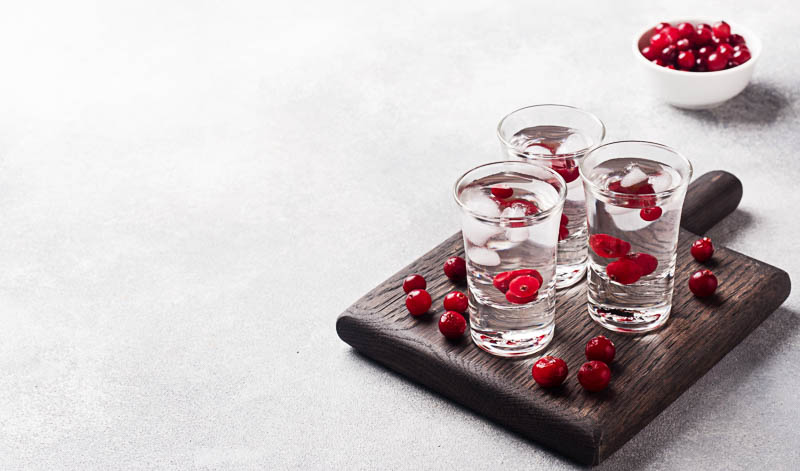
Berries in particular are often used as the basis for spirits.
In principle, this simply means that they are soaked in it - so that the aromas and colorants are transferred to the alcohol. This mixture is then distilled. Berries and nuts are preferred for this type of schnapps, as their special flavors know how to assert themselves impressively.
Different types of fruit brandy:
- Hazelnut spirit
- Blackberry spirit
- Raspberry brandy
- sloe gin
Buying spirits:

- Manufacturer: Rose Valley
- Origin: Saxony, Germany
- Style: Hazelnut spirit

- Manufacturer: Marder brandies
- Origin: Baden-Württemberg, Germany
- Style: Blood orange spirit

- Manufacturer: Dollerup distillery
- Origin: Schleswig-Holstein, Germany
- Style: Peanut spirit

- Manufacturer: STILVOL.
- Origin: Baden-Württemberg, Germany
- Style: Raspberry brandy

- Manufacturer: Stork Club Whiskey
- Origin: Brandenburg, Germany
- Style: Vegetable spirit

- Manufacturer: Mill4
- Origin: North Rhine-Westphalia, Germany
- Style: Blackcurrant brandy

- Manufacturer: Nordik noble distillery
- Origin: Lower Saxony, Germany
- Style: Quince spirit

- Manufacturer: Dollerup distillery
- Origin: Schleswig-Holstein, Germany
- Style: Ginger spirit

- Manufacturer: Distillery Bühler
- Origin: Baden-Württemberg, Germany
- Style: Walnut spirit
Grain, whisky and vodka: schnapps made from grain
Grain-based spirits score highly with their wide range of flavors. As mentioned at the beginning, not all schnapps is the same. Some of the spirits mentioned here (vodka) can also be produced from potatoes.
Korn: the clear schnapps classic
In the 1960s, Korn was so popular that it became virtually synonymous with schnapps, at least in Germany. The clear spirit may only be produced from the grain varieties wheat and rye, oats and barley as well as buckwheat and only in Germany and Austria as well as in the German-speaking regions of Belgium. At least 32 percent alcohol by volume is required.
Korn is particularly popular in the north of Germany.
All types of Korn:
- Kornbrand (with 37.5% alcohol by volume)
- Doppelkorn (with 38% alcohol by volume)
More exciting facts about grain and its production can be found here: All about Korn
Buy grain:

- Manufacturer: Nordik noble distillery

- Manufacturer: Cornetti
- Flavor: mild, sweet, nutty finish

- Manufacturer: Berlin arsonist
- Flavor: Vanilla and bread notes, mild

- Manufacturer: EAC EastAlsterCompany GmbH
- Flavor: aromatic, characteristic, mild

- Manufacturer: Sankt Pauli spirits
- Flavor: mild, clear, maritime

- Manufacturer: FREYTAG Liqueurs & Spirits
- Flavor: Slight natural sweetness, lemony, floral, grassy, very mild finish, lavender and cardamom remain

- Manufacturer: MemoryGrain
- Flavor: mild, sweetish

- Manufacturer: Fallstein distillery
- Flavor: mild, sweetish

- Manufacturer: Monsieur Sauer
- Flavor: earthy, herbal, strong

- Manufacturer: WeiLa Manufacture
- Flavor: mild, slightly sweetish
Whisky: schnapps with a long maturation period
The spirit must be stored in wooden barrels for at least three years before it can be called whisky. The amber-colored schnapps is preferably distilled from barley (malt), but also from corn (bourbon, corn), rye or wheat. The minimum alcohol content is 40 percent by volume. And: this spirit may not be sweetened or flavored in any way. Here you can find out what else needs to be considered when making whisky and what makes the individual varieties different: What is whisky and how is it made?
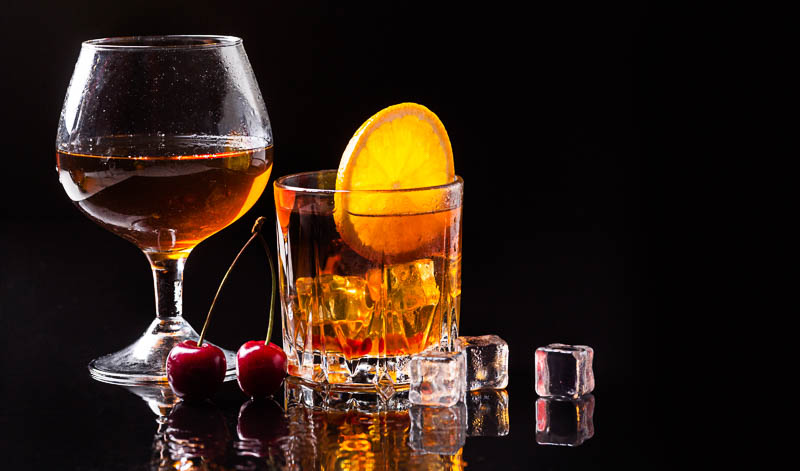
Whisky must be stored in wooden barrels for at least three years.
A selection of types of whisky:
- Scottish whisky (Scotch)
- Irish whiskey (Irish whiskey)
- American whisky - bourbon, rye, corn whisky
- Canadian whisky
- Japanese whisky
Buy high-quality whisky:

- Manufacturer: Stork Club Whiskey
- Origin: Brandenburg, Germany

- Manufacturer: Hinricus Noyte
- Origin: Mecklenburg-Western Pomerania, Germany

- Manufacturer: Nosedive gin
- Origin: Baden-Württemberg, Germany

- Manufacturer: Blacks Brewery & Distillery
- Origin: Munster, Ireland

- Manufacturer: fesslermill 1396
- Origin: Baden-Württemberg, Germany

- Manufacturer: Waterproof
- Origin: Glasgow City, Scotland

- Manufacturer: The Wild Alps
- Origin: St. Gallen, Switzerland

- Manufacturer: Dollerup distillery
- Origin: Schleswig-Holstein, Germany

- Manufacturer: Destilería Acha
- Origin: Basque Country, Spain

- Manufacturer: Rose Valley
- Origin: Saxony, Germany

- Manufacturer: Fine Kappler
- Origin: Baden-Württemberg, Germany

- Manufacturer: Rose Valley
- Origin: Saxony, Germany

- Manufacturer: Fallstein distillery
- Origin: Saxony-Anhalt, Germany

- Manufacturer: Stork Club Whiskey
- Origin: Brandenburg, Germany

- Manufacturer: Nordik noble distillery
- Origin: Lower Saxony, Germany

- Manufacturer: fesslermill 1396
- Origin: Baden-Württemberg, Germany

- Manufacturer: Trebitsch Distillery
- Origin: Highlands region, Czech Republic

- Manufacturer: McConnell's
- Origin: Belfast, Northern Ireland

- Manufacturer: Distillery Bühler
- Origin: Baden-Württemberg, Germany
Vodka: a spirit for immediate enjoyment
The raw materials for vodka or vodka also vary: It is distilled from grain, usually rye or wheat, or from potatoes or molasses. Pure vodka is almost tasteless and is therefore often flavored (for example with mandarin, blackcurrant or vanilla). The spirit is ready to drink after distillation and no longer needs to be stored. You can find out where vodka originally comes from and what you should bear in mind when buying it here: What is vodka
Buy vodka:

- Manufacturer: Hinricus Noyte
- Origin: Mecklenburg-Western Pomerania, Germany

- Manufacturer: Uko Vodka
- Origin: North Rhine-Westphalia, Germany

- Manufacturer: Rose Valley
- Origin: Saxony, Germany

- Manufacturer: Kakuzo
- Origin: Berlin, Germany

- Manufacturer: Mise en Abyme
- Origin: Berlin, Germany

- Manufacturer: Schleihauf noble fruit distillery
- Origin: Baden-Württemberg, Germany

- Manufacturer: Nobody Spirits
- Origin: Lower Saxony, Germany

- Manufacturer: Wind Chimes Manufacture
- Origin: Rhineland-Palatinate, Germany

- Manufacturer: Sash & Fritz
- Origin: Berlin, Germany

- Manufacturer: Xellent
- Origin: Lucerne, Switzerland

- Manufacturer: Crystal Head
- Origin: Ontario, Canada

- Manufacturer: Kampen Ski Club
- Origin: North Rhine-Westphalia, Germany

- Manufacturer: Marder brandies
- Origin: Baden-Württemberg, Germany
Asian specialties: schnapps made from rice
Schnapps is primarily made from rice mash in Asian countries. The best-known in this country is arrack, which is alternatively produced from palm juice or sugar cane plus rice mash. It has 35 to 70 percent alcohol by volume and is reminiscent of whisky in taste.
Rice schnapps is usually clear and has a taste reminiscent of whisky.
An overview of types of rice schnapps:
- Choum (China)
- Ruou (Vietnam)
- Lao Khao (Thailand)
Rum and co.: Schnapps made from sugar cane
The European Spirits Regulation stipulates a minimum alcohol content of 37.5% by volume for rum. The spirit is distilled either from the molasses left over from sugar production, less frequently from the syrup or directly from sugar cane juice.
Like whisky, rum may not be flavored or sweetened. Historically, the Caribbean is considered the cradle of rum, as it has the best climatic conditions for growing sugar cane. You can find more information about rum here: All about rum
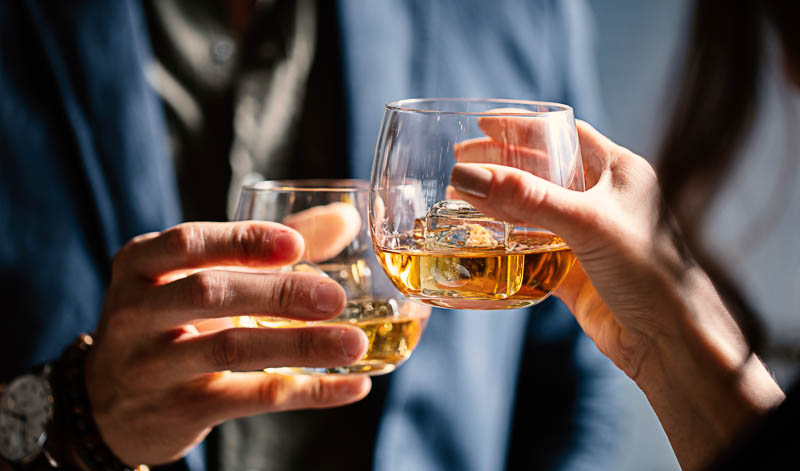
Brown or golden rum gets its color from barrel ageing.
Brown rum gets its amber coloration from storage in oak barrels, while white rum is usually bottled immediately after distillation.
A selection of sugar cane schnapps types:
- Cachaca ("firewater" from Brazil)
- Mekhong (often incorrectly called Thai whisky)
Buy rum:

- Manufacturer: The Wild Alps
- Barrel type: Caribbean oak barrels
- Age: 12.00

- Manufacturer: Hinricus Noyte

- Manufacturer: Ron Elba

- Manufacturer: Brewery Hertl

- Manufacturer: Capulet&Montague
- Barrel type: Chardonnay barrel

- Manufacturer: Smutje spirits

- Manufacturer: Destilería Acha
- Barrel type: American oak
- Age: 8.00

- Manufacturer: Tom's Fin Gin 44
- Barrel type: Bourbon barrel
- Age: 8.00

- Manufacturer: NO
Mezcal & tequila: spirits made from agave
Mezcal is a typical Mexican schnapps made from the pulp of agaves and is also the generic term for agave spirits, which usually contain 40% alcohol by volume. Probably the best-known mezcal is tequila from the city of the same name, which can only be distilled from the flesh of the Blue Weber agave.
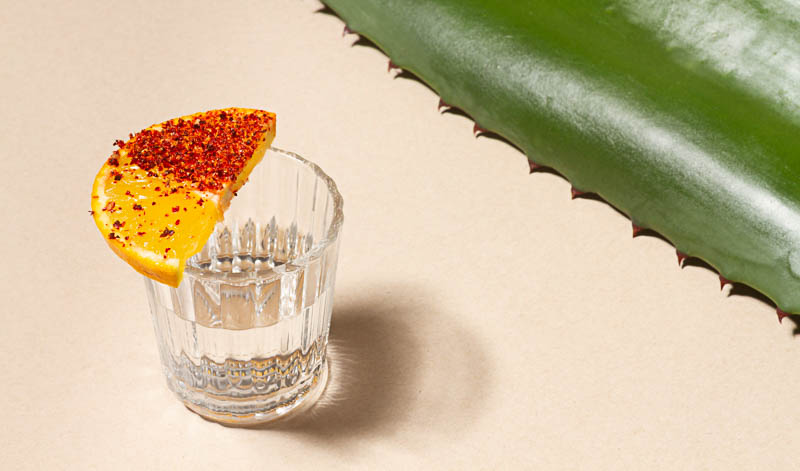
Mezcal and tequila are both made from the juice of the agave leaves.
You can find out what else distinguishes tequila from the generic term mezcal here: The difference between tequila and mezcal
Buy mezcal & tequila:

- Manufacturer: Tequilas del Señor
- Origin: Jalisco, Mexico

- Manufacturer: Tequilas del Señor
- Origin: Jalisco, Mexico

- Manufacturer: Tequila Fortaleza
- Origin: Jalisco, Mexico

- Manufacturer: Mezcal Local
- Origin: Oaxaca, Mexico

- Manufacturer: Nueve B
- Origin: Bavaria, Germany

- Manufacturer: Mezcal Local
- Origin: Oaxaca, Mexico

- Origin: Aguascalientes, Mexico

- Manufacturer: Huizache tequila
- Origin: Jalisco, Mexico

- Manufacturer: Mezcalosfera by Mezcaloteca
- Origin: Oaxaca, Mexico

- Manufacturer: Selva Negra
- Origin: Baden-Württemberg, Germany

- Manufacturer: G4 Tequila
- Origin: Aguascalientes, Mexico

- Manufacturer: Terralta Tequila
- Origin: Aguascalientes, Mexico

- Manufacturer: Pasote
- Origin: Aguascalientes, Mexico

- Manufacturer: Mezcalosfera by Mezcaloteca
- Origin: Oaxaca, Mexico

- Manufacturer: Terralta Tequila
- Origin: Aguascalientes, Mexico
Gentian: schnapps made from roots
Contrary to popular belief, gentian schnapps is not made from the flowers but from the roots of the gentian plant. The aromatic, bitter schnapps with an alcohol content of 40 or 50 percent by volume is said to have a number of positive health effects.
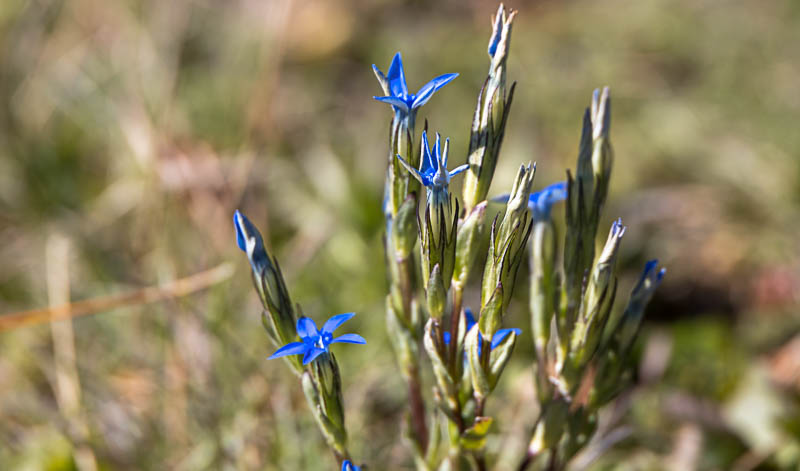
Gentian schnapps is not made from the flower, but from the root of the plant.
This category of schnapps also includes:
- Jerusalem artichoke (made from the tubers of the plant of the same name)
- Bear's Root
From gin to Steinhäger: schnapps with juniper
The basis for juniper schnapps is either agricultural alcohol or a grain spirit that is distilled again. The best-known product is probably gin, which is macerated from neutral alcohol with juniper berries and other flavoring herbs and plants, known as botanicals. Individual varieties(dry gin, London dry gin) are subject to strict production regulations - both in terms of when the botanicals are added and when sugar is added. A gin has at least 37.5% alcohol by volume. You can find out more about the individual varieties here: What is gin and how is it made?
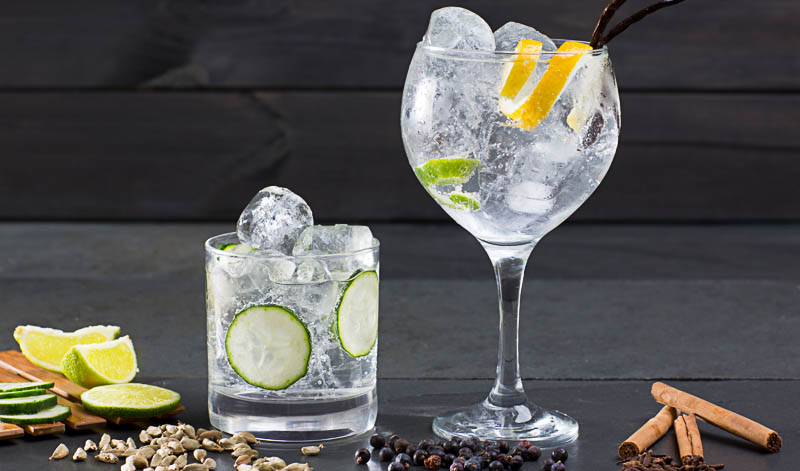
The best-known juniper schnapps is gin - preferably drunk as a long drink with tonic water.
An overview of other types of juniper schnapps:
- Steinhäger
- Genever
- Kranewitter (Austria)
Buy high-quality gin:

- Manufacturer: HAMBURG-ZANZIBAR
- Flavor: very spicy due to pepper and turmeric, notes of cardamom, allspice and rosemary
- Style: New Western Dry Gin

- Flavor: classic juniper, herbal, ethereal, soft
- Style: London Dry Gin

- Manufacturer: BOAR Distillery
- Flavor: round, elegant
- Style: London Dry Gin

- Manufacturer: Schleihauf noble fruit distillery
- Flavor: floral, fruity
- Style: Compound Gin

- Manufacturer: Nobody Spirits
- Flavor: floral, woody
- Style: Dry Gin

- Manufacturer: Darmstadt Distillers
- Flavor: Fresh citrus fruit, spicy juniper, slightly peppery
- Style: London Dry Gin

- Manufacturer: Elephant Gin
- Flavor: multi-layered, delicate, fruity, floral
- Style: London Dry Gin

- Manufacturer: Distillery Cutura
- Flavor: Intense juniper note, citrus, fruity-floral finish
- Style: London Dry Gin

- Manufacturer: Mesano Gin & Vermouth
- Style: Gin tasting set
From ouzo to sambuca: schnapps with aniseed
Aniseed schnapps is produced by flavouring agricultural alcohol with extracts of star anise, aniseed and fennel or various other plants with a similar aroma. Other flavoring natural seeds or extracts may be added, but the aniseed flavor must always remain dominant in the schnapps. The alcohol content can vary depending on the variety.
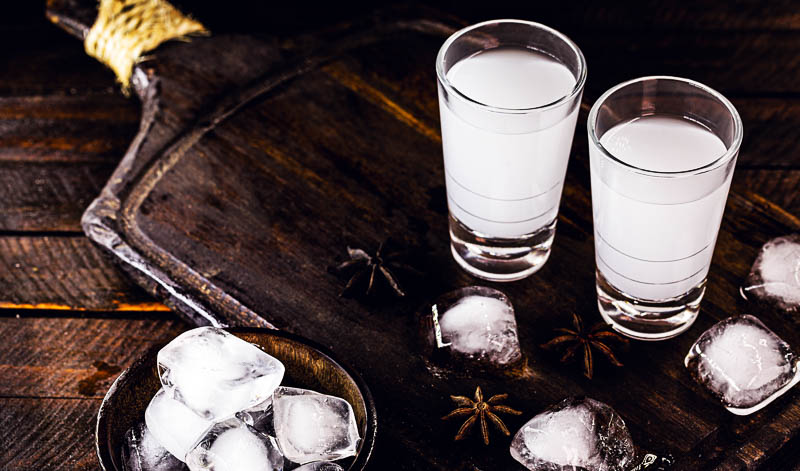
Aniseed schnapps is usually drunk ice cold.
Overview of schnapps with aniseed:
- Ouzo (exclusively from Greece, 40% alcohol by volume)
- Sambuca (from Italy, 40% alcohol by volume)
- Pastis (from France, 38 to 42% alcohol by volume)
- Arak (from Israel, Lebanon, Syria or Jordan, not to be confused with arrack (see above), 40 to 80 percent alcohol by volume)
- Raki (Turkey and the Balkans, 40 to 50 percent alcohol by volume)
Schnapps with caraway and schnapps with a bitter note
The most popular schnapps with caraway seeds is aquavit, the distillate of which is refined with caraway and dill seeds and which originally comes from Scandinavia. It must have a minimum alcohol content of 37.5% by volume. In Germany, aquavit is usually drunk ice cold, whereas in Scandinavia it is drunk at room temperature. One variant is the North German Korn.
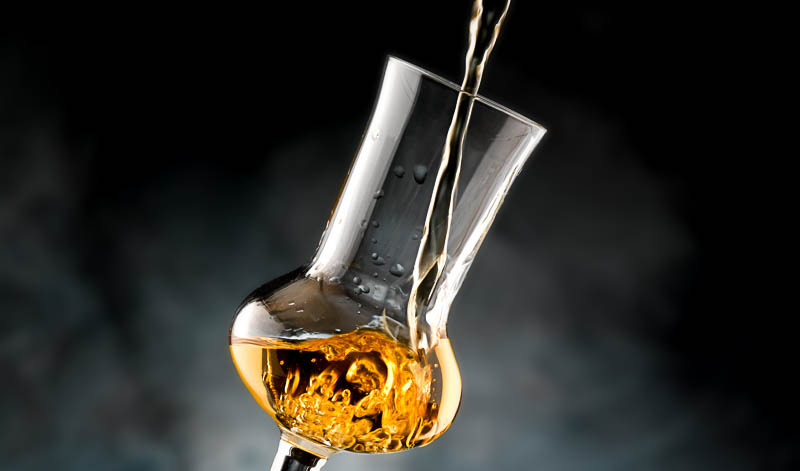
The most popular caraway schnapps is aquavit." title="The most popular caraway schnapps is aquavit.
Schnapps with a predominantly bitter note is sometimes simply referred to as bitter. Absinthe is considered the bitter spirit par excellence (45 to 89% alcohol by volume) - and was banned in Europe for a long time. With other bitter varieties, the boundary to liqueur is blurred.
Buy aquavit:

- Manufacturer: Hinricus Noyte
- Origin: Mecklenburg-Western Pomerania, Germany

- Manufacturer: Rose Valley
- Origin: Saxony, Germany

- Manufacturer: Dollerup distillery
- Origin: Schleswig-Holstein, Germany
Difference between liqueur and schnapps
What exactly is the difference between liqueur and schnapps? The simplest answer is: the sugar.
According to European spirits regulations, a schnapps must always be described as a liqueur if it contains 100 grams of sugar per liter and also contains at least 15 percent alcohol by volume (14 percent is only sufficient for eggnog).
What colorings are added, what flavors or extracts of fruits and herbs are added, is in principle irrelevant for a schnapps to be called a liqueur. The combination with cream, milk, fruit juices and wine is also permitted and common. The range of flavors is huge.
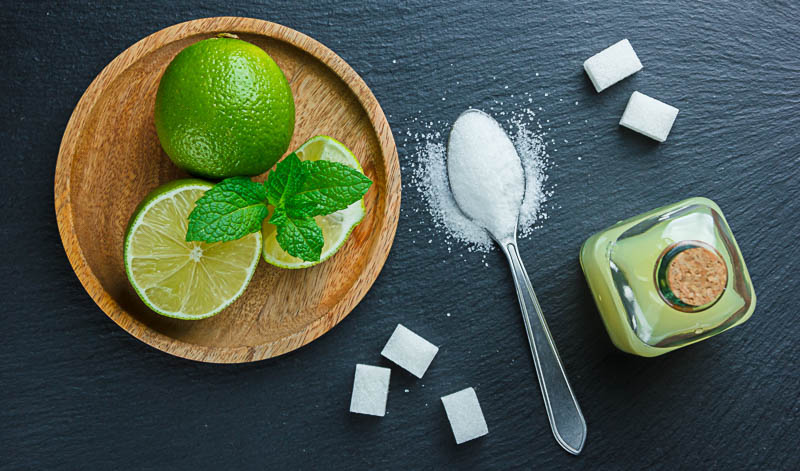
Sugar is the ingredient that distinguishes schnapps from liqueur.
In our store, we offer you a wide range of liqueurs that can be enjoyed on their own or are indispensable as a sophisticated ingredient in mixed drinks. Just take a look! To the liqueur range
The high sugar content also makes it possible to balance out spicy and bitter ingredients. Incidentally, the alcohol content of liqueur can be 40 percent or more by volume.
If you want to find out more about liqueur, you should read this article here: What is liqueur
Conclusion: Schnapps stands for a kaleidoscope of enjoyment
The main differences between schnapps and liqueurs are the various raw materials used and the steps that precede the actual distillation, the proverbial distillation. In other words, whether sugar-containing solutions are fermented in the traditional way or whether unfermented products are soaked in neutral alcohol.
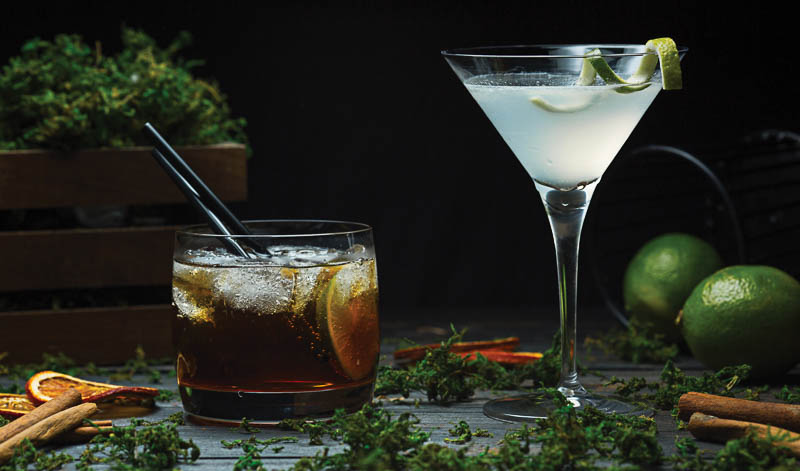
All types of schnapps are also used in cocktails.
Combined with a short or very long maturation period, or even no maturation at all, the result is a kaleidoscope of enjoyment and flavor nuances that is breathtaking. In our store, you will not only find all the common varieties of spirits, but also very special treasures and rarities of outstanding quality and with an exclusive taste experience. All you have to do is find your own personal schnapps favorite. Click here for the range of spirits.
Matching products to the article
About the autor:

#goteam
Some things can only be accomplished as a team. Just like this article here! That's why we mark all jointly created articles as editorial contributions. Cheers!
- Liebt: nerdy food & drinks knowledge
- Favorite drinks: Tasting packages! You can enjoy them together
- Empfehlung des Monats: Try our various food boxes
Recent articles
-
01 JulRare Teas as Collectibles: What Connoisseurs Appreciate
-
28 JunVintage Lamps as an Interior Design Trend
-
25 JunHausberg Single Malt Whiskey for Collectors and Connoisseurs—the second cask has arrived!
-
21 MarTea or coffee? A world map of hot beverage enjoyment
-
24 FebCoffee drinks from A to Z: The big encyclopedia of all coffee drinks
-
17 FebAll about table salt: Fleur de Sel, sea salt, rock salt & co. - differences, origin & use
-
07 JanDirect juice meets carbon dioxide - why PENG doesn't want to be a soft drink
-
27 AugBetween needle & nose: tattoos, dragons and bananas in a jar
-
03 JulOrange disco on the tongue: the founding story of Satoshi Spirits


